142Explained · every one with checked sources
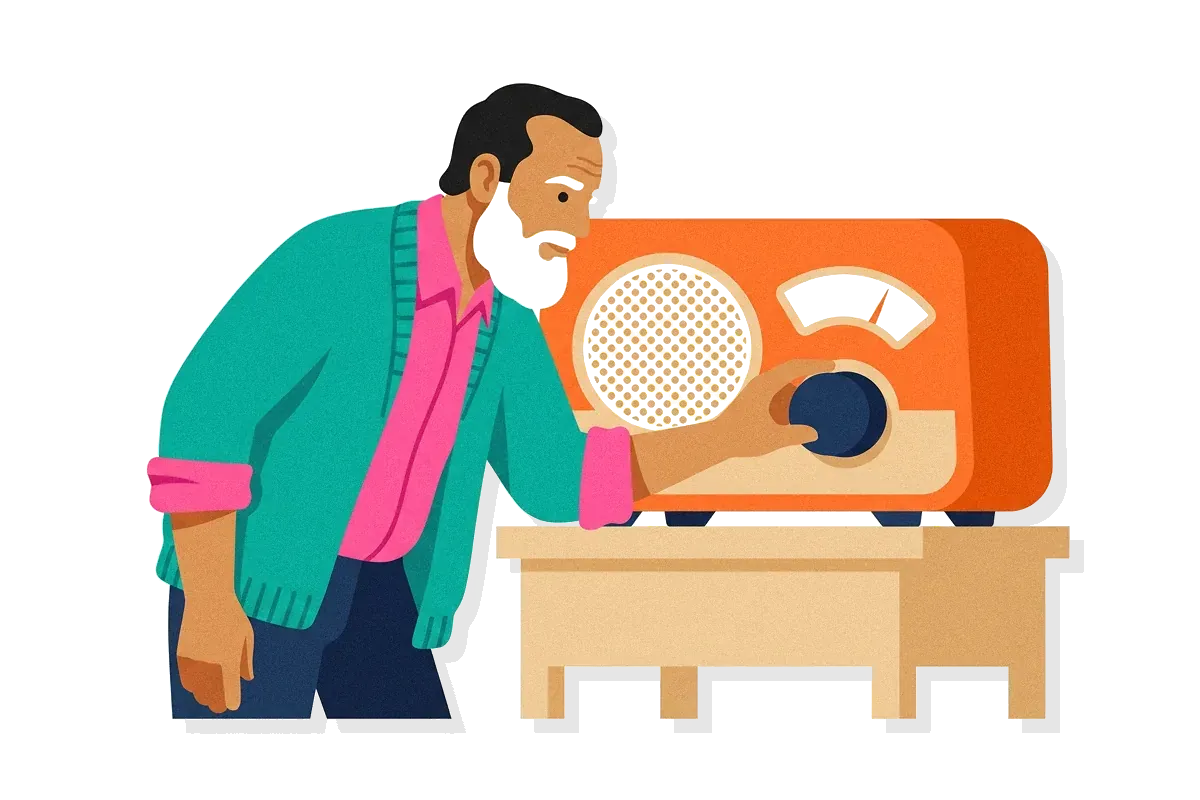
User Interface
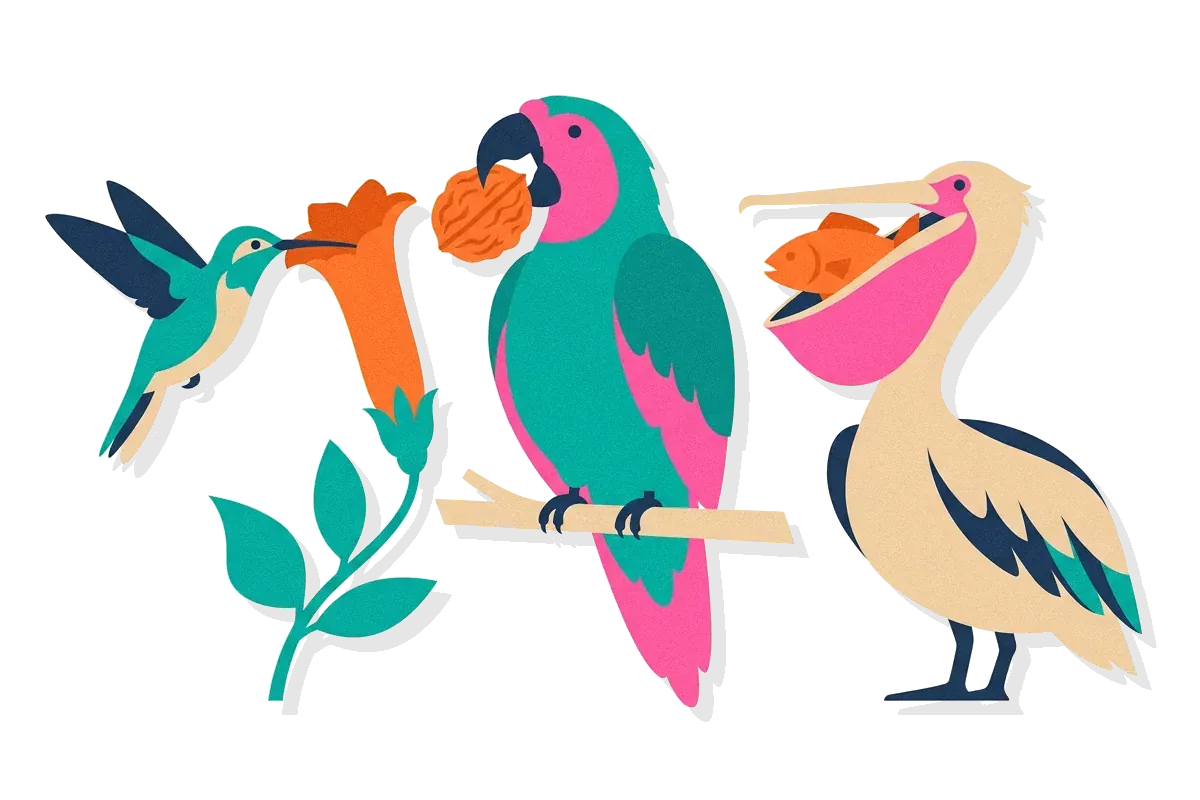
Form Follows Function
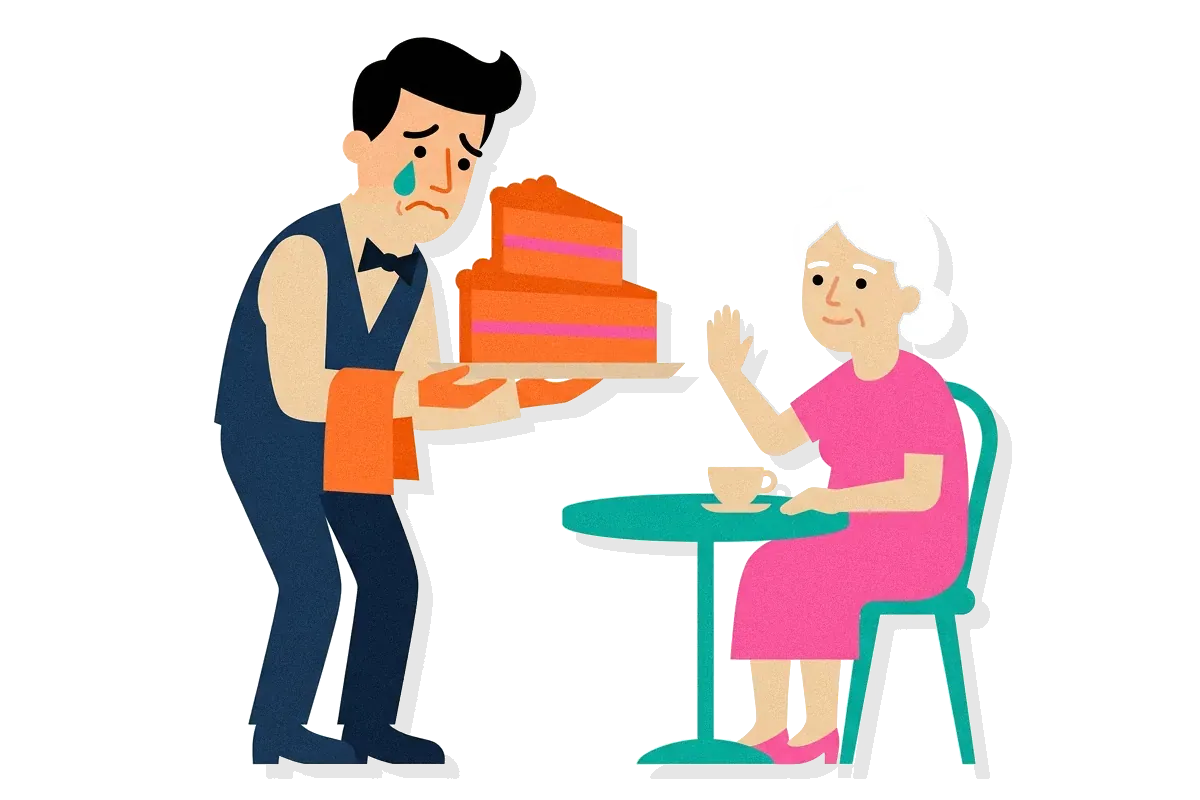
Confirmshaming
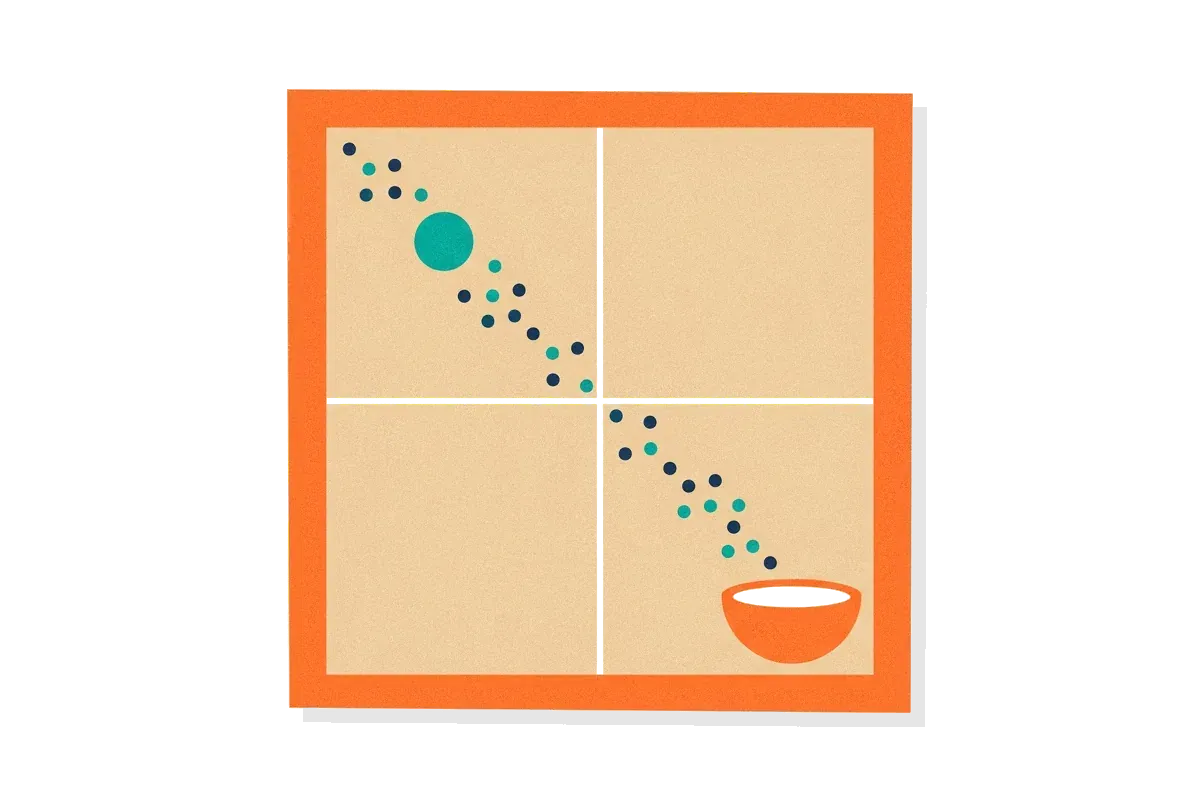
Gutenberg Diagram
Optical Alignment
Visual Weight

Legibility vs Readability

Error Prevention

Consistency and Standards
Emotional Design
Hick's Law
Inclusive Design
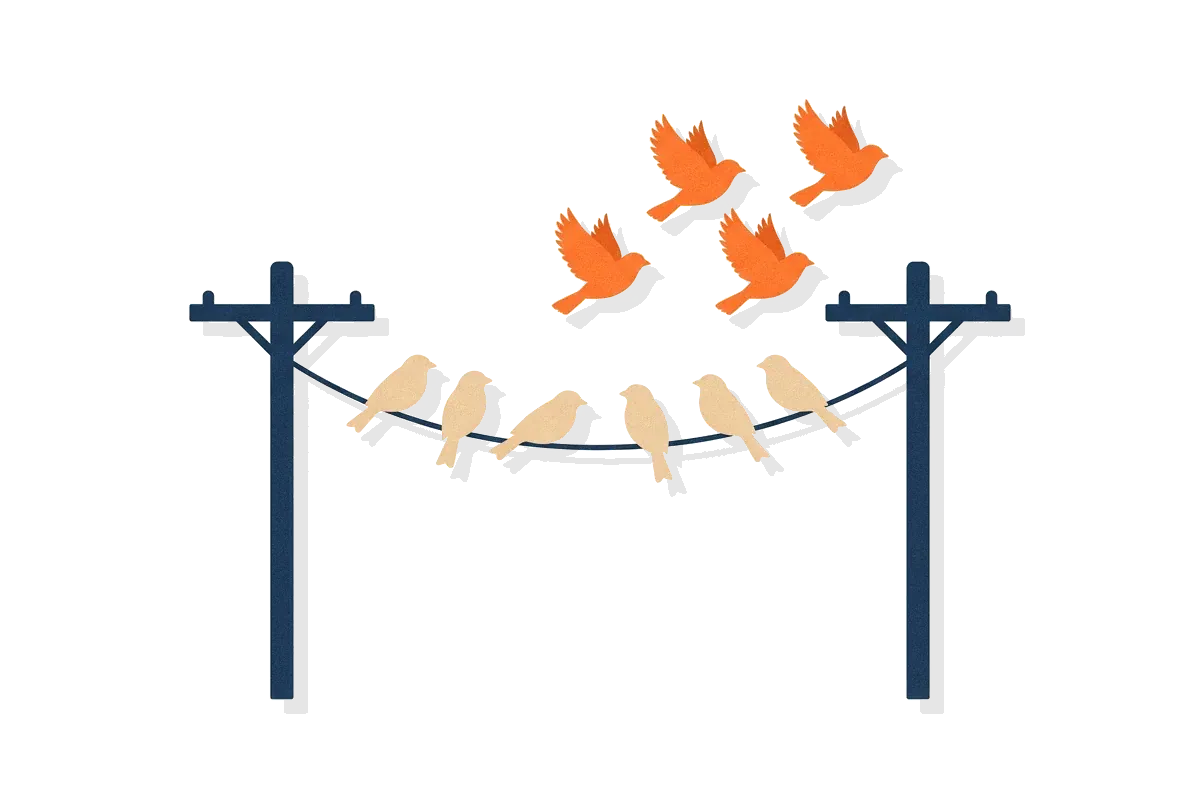
Law of Common Fate

Golden Ratio
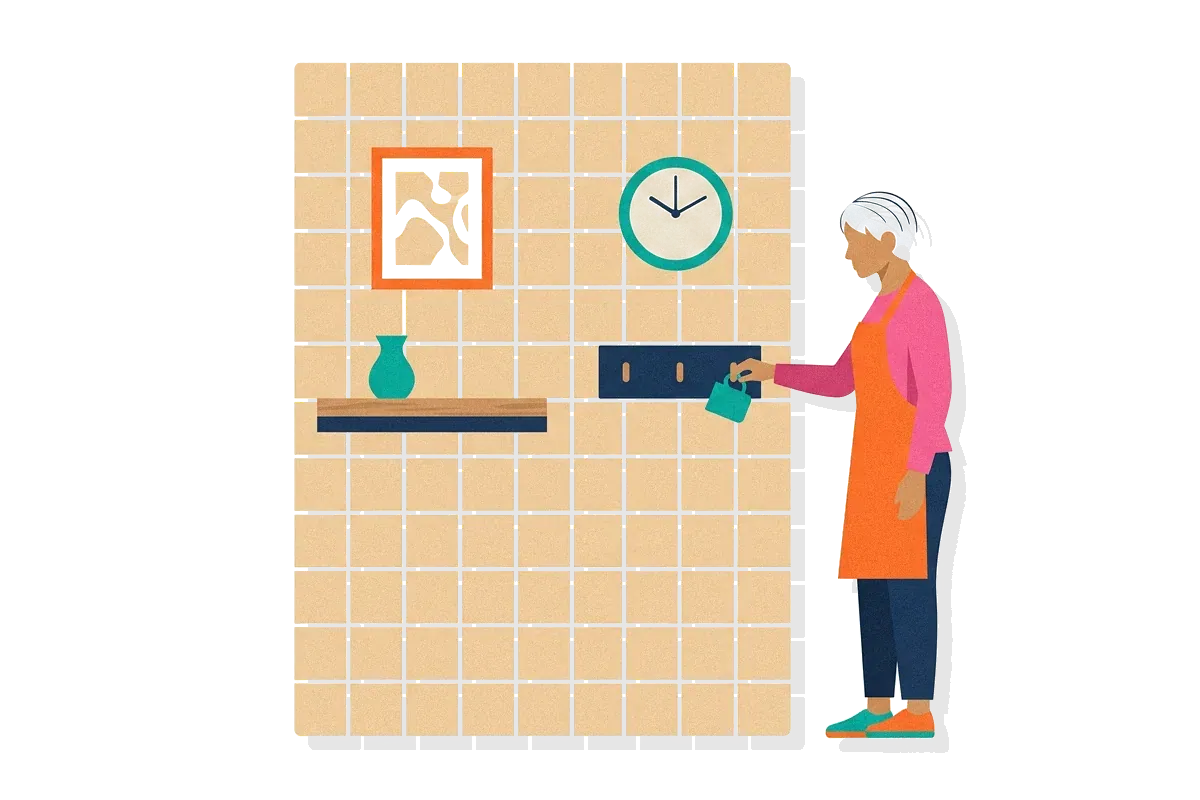
8-Point Grid

Grid Systems

Double Diamond

Color Theory

EAST Framework

Gestalt Psychology
UX Research
UX research is the study of the people who use a product, to learn what they need and do so design decisions rest on evidence.

Recognition rather than Recall
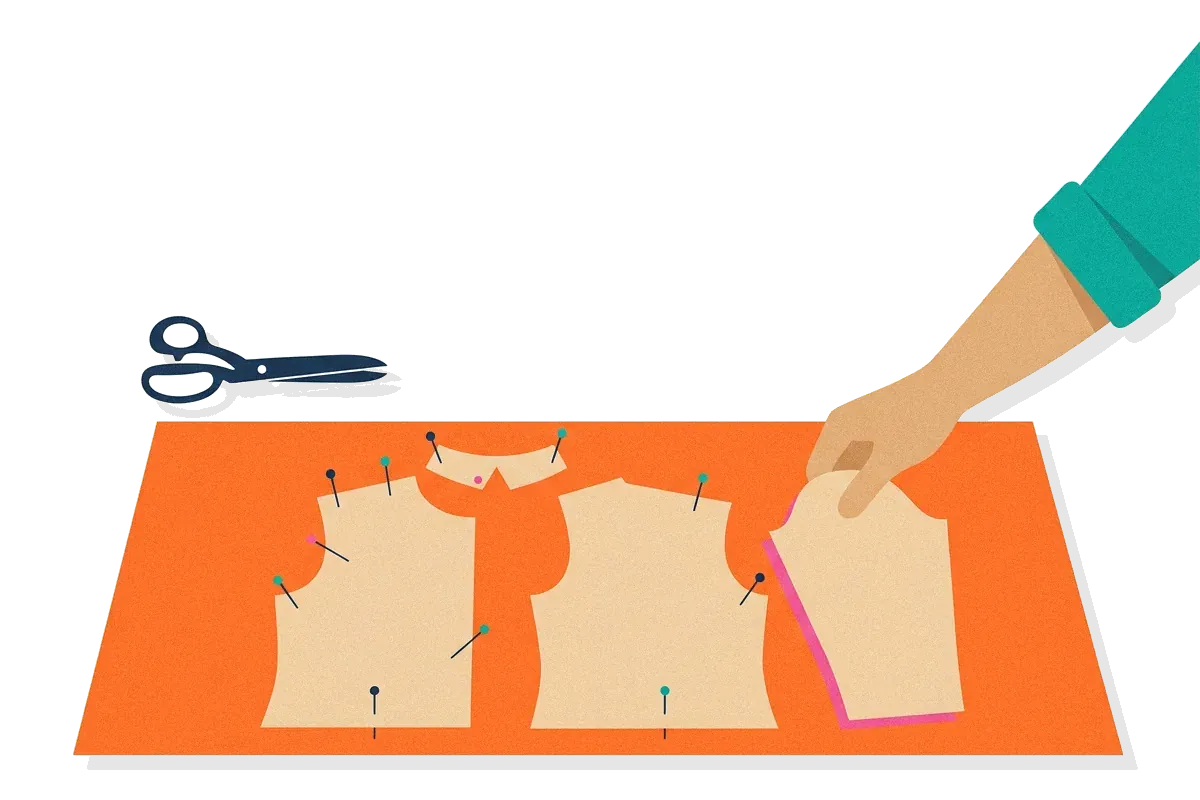
Wireframing

Human-Computer Interaction

Usability Testing

User Flow

Iterative Design

Mobile First Design

UX Principles
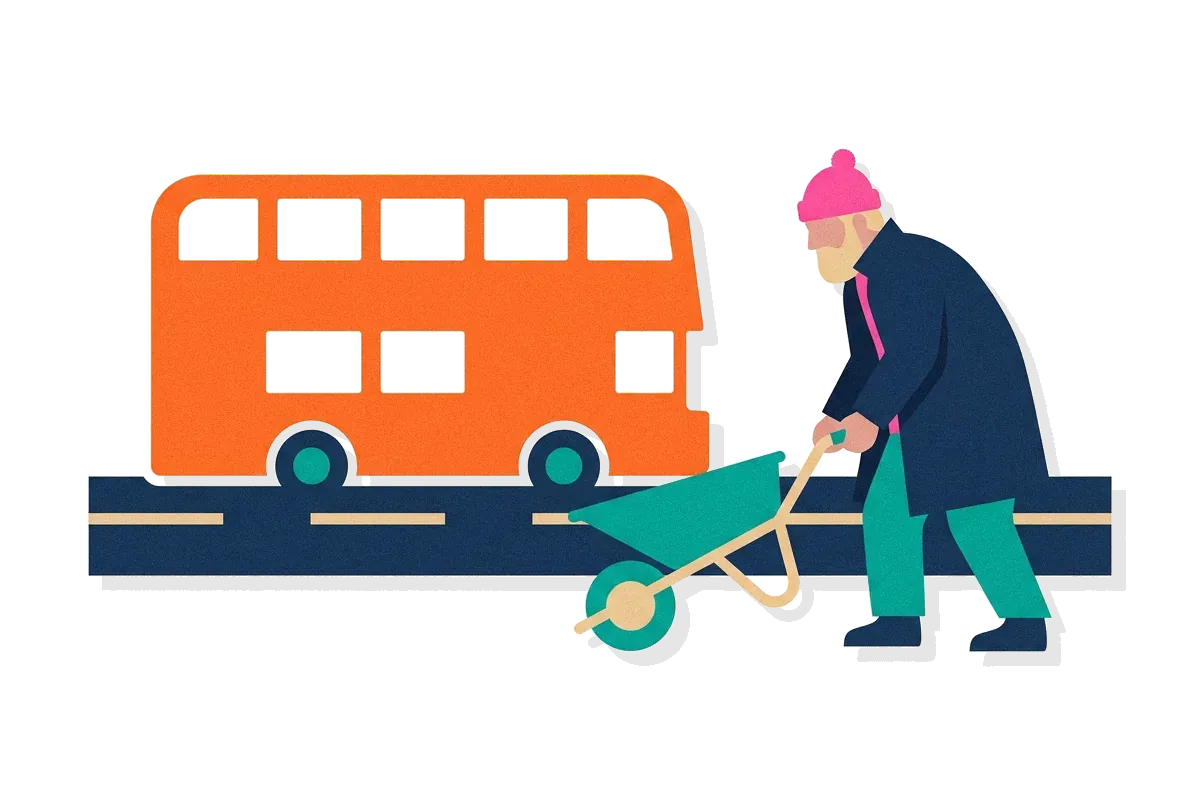
Red Route Usability
Microinteractions
A microinteraction is one small moment built around a single task, where a trigger starts something and the product answers with feedback.

Fogg Behavior Model

Theory of Mind
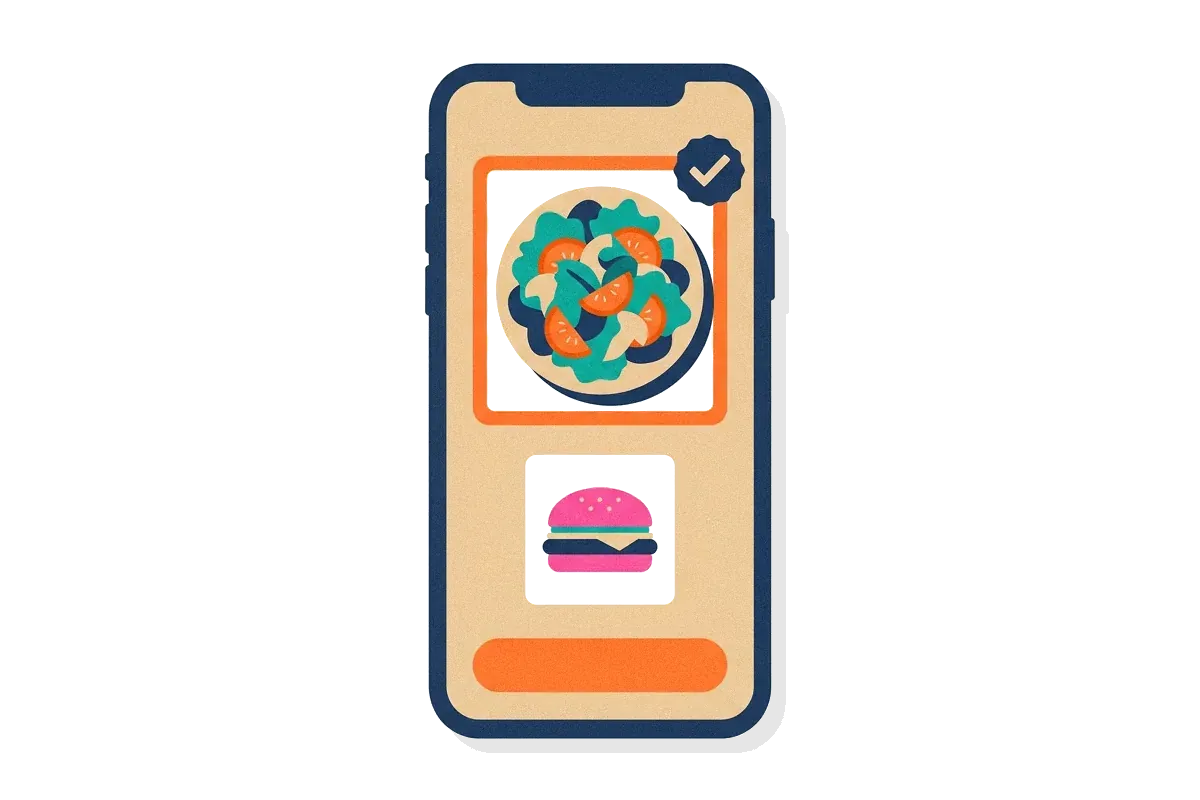
Digital Nudging
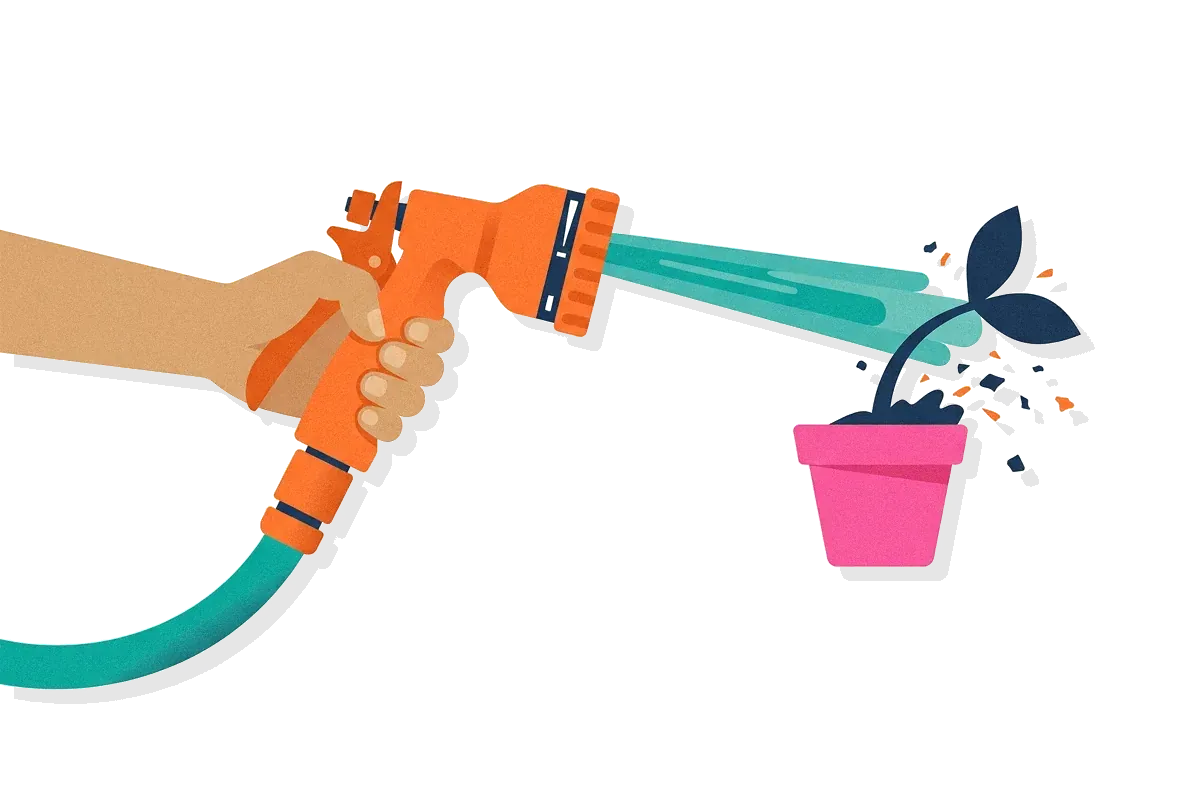
Mode Error
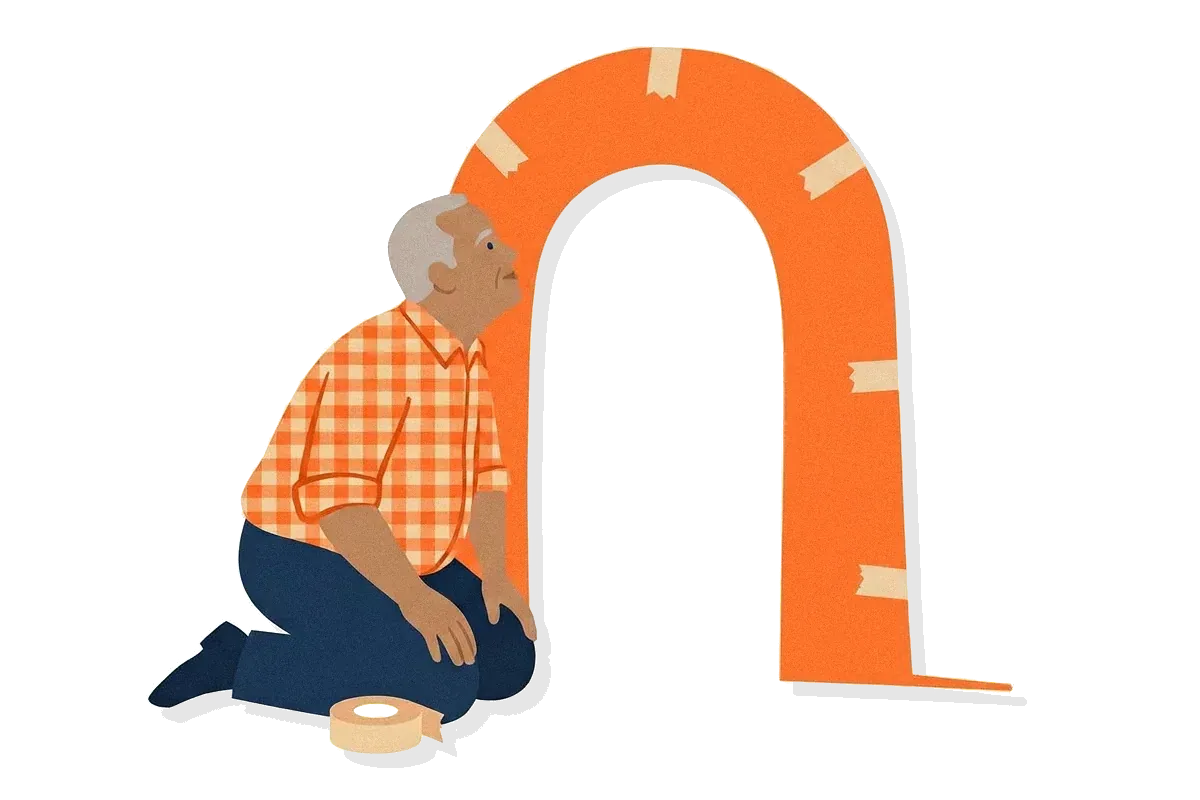
Design Thinking
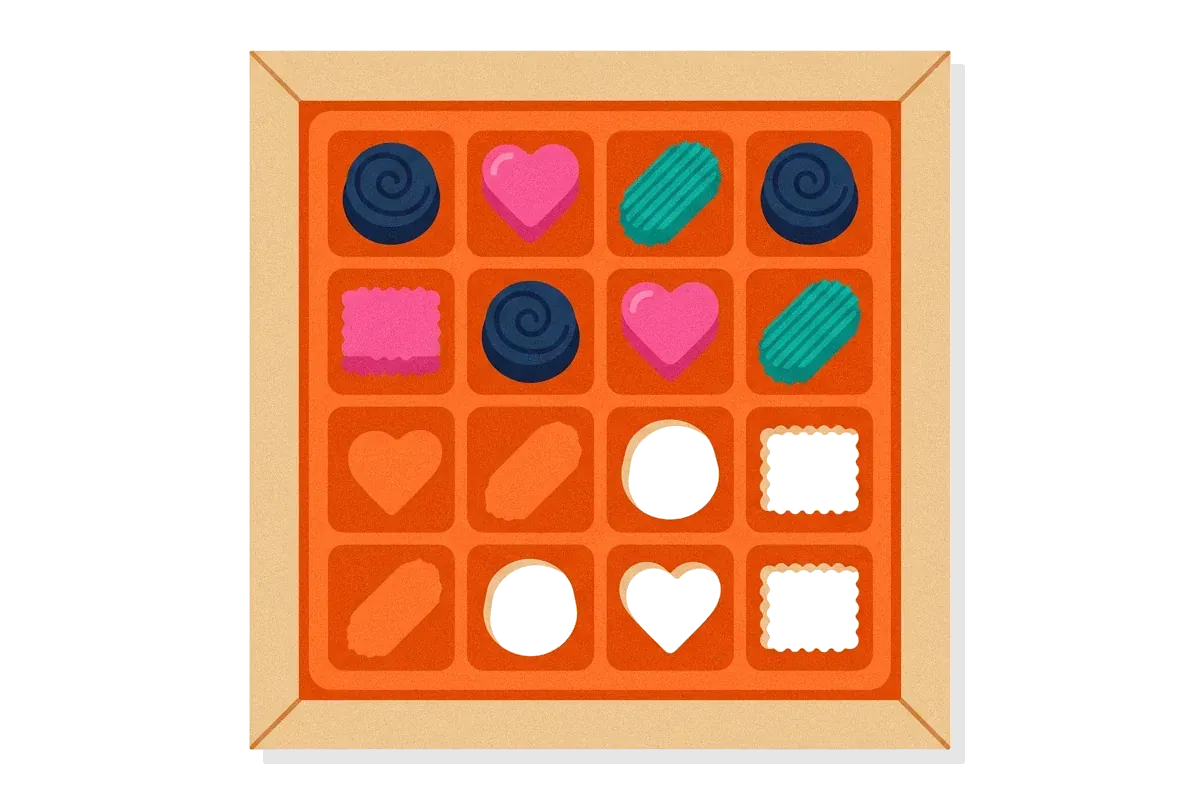
Skeleton Screen

Whitespace

Atomic Design

Design Tokens
Natural Mapping
Placing controls so that their position and movement match the things they change, so people can tell which control does what without a label.

Law of Similarity
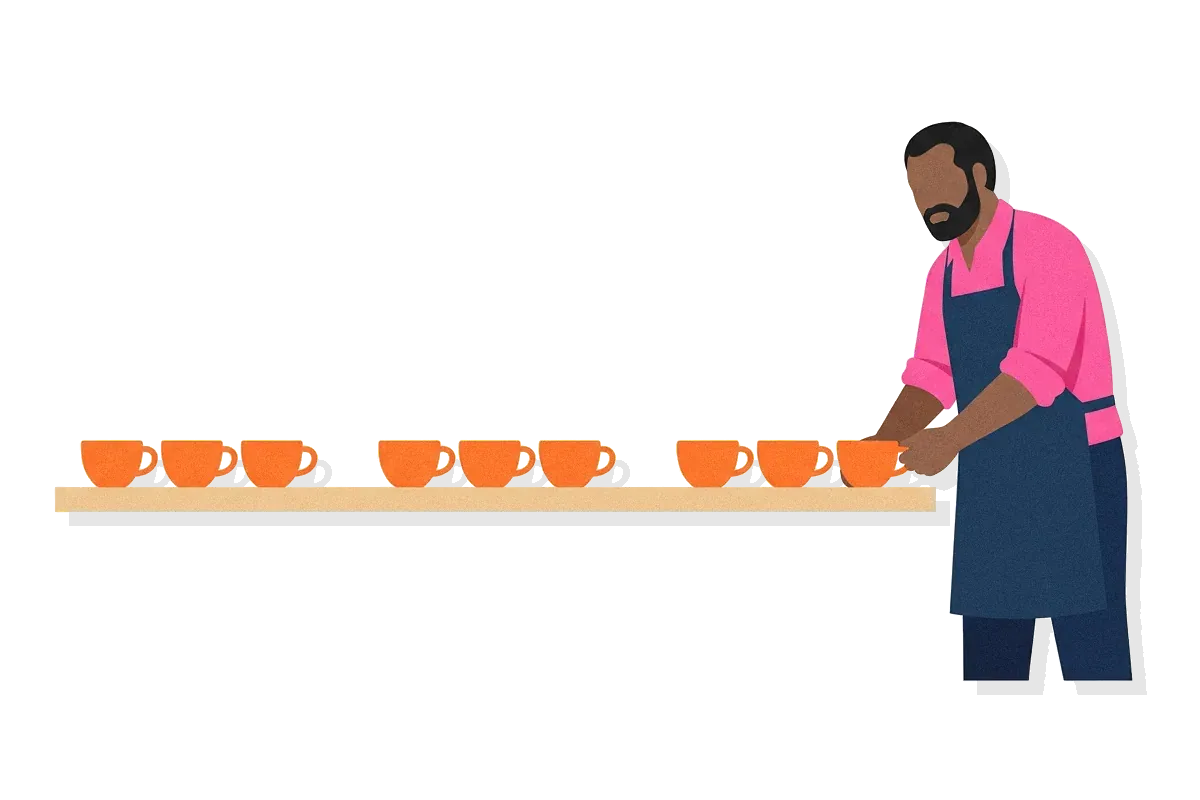
Gestalt Principles

Dark Patterns
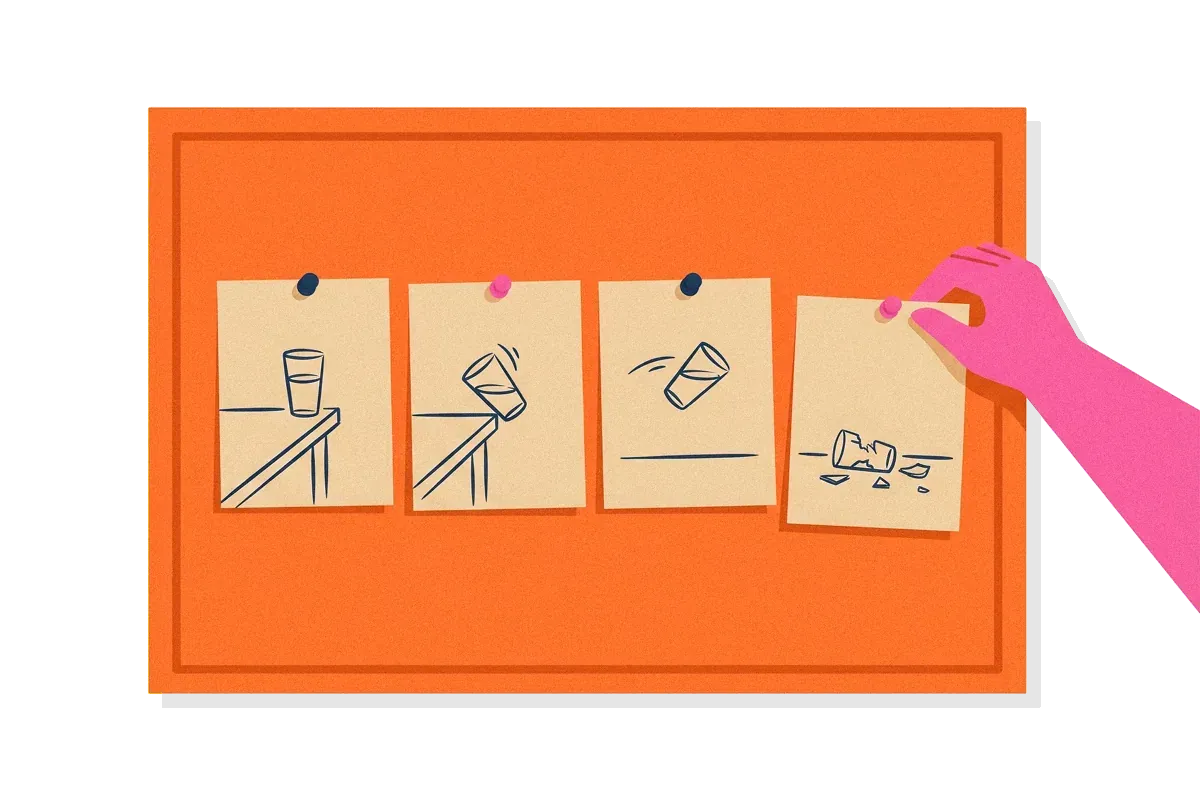
Storyboards

User Scenarios
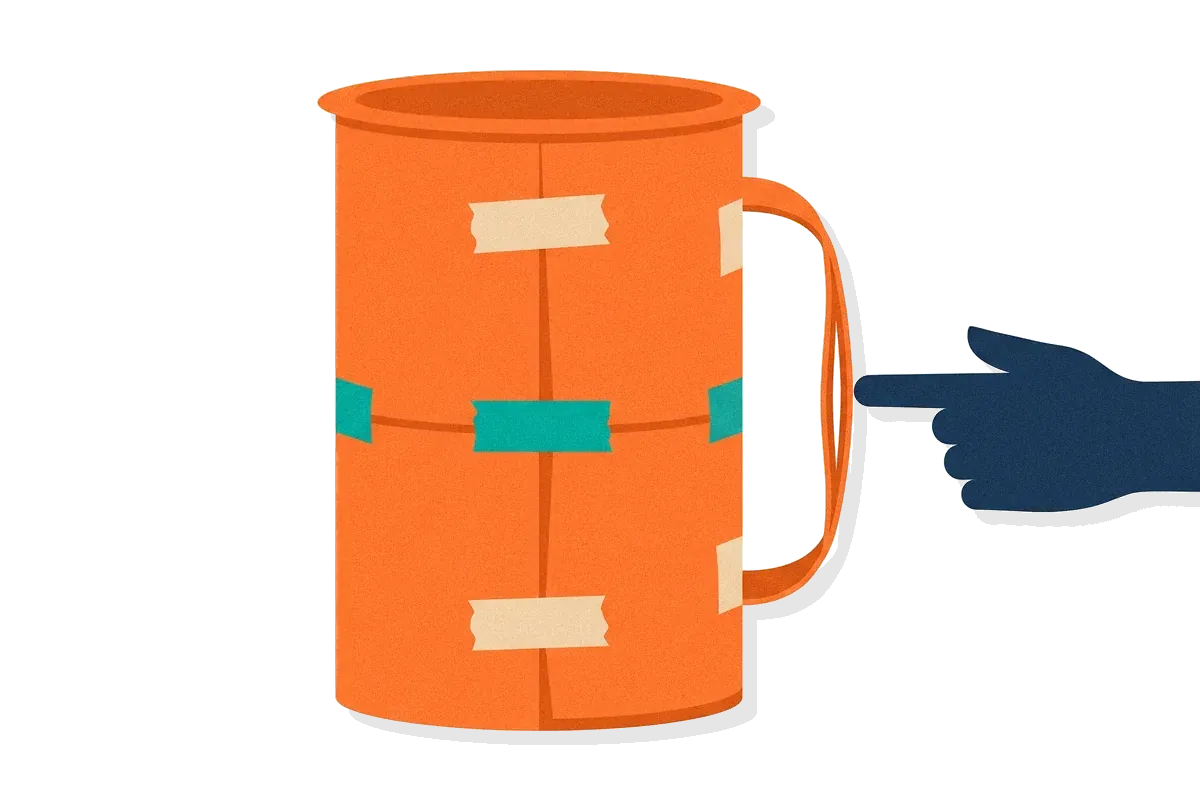
Prototype testing

Personas

Participatory design

Paper prototyping
Mind mapping
Mind mapping is a way to organise ideas by placing one topic in the centre of a page and branching related ideas outward from it.

Journey mapping
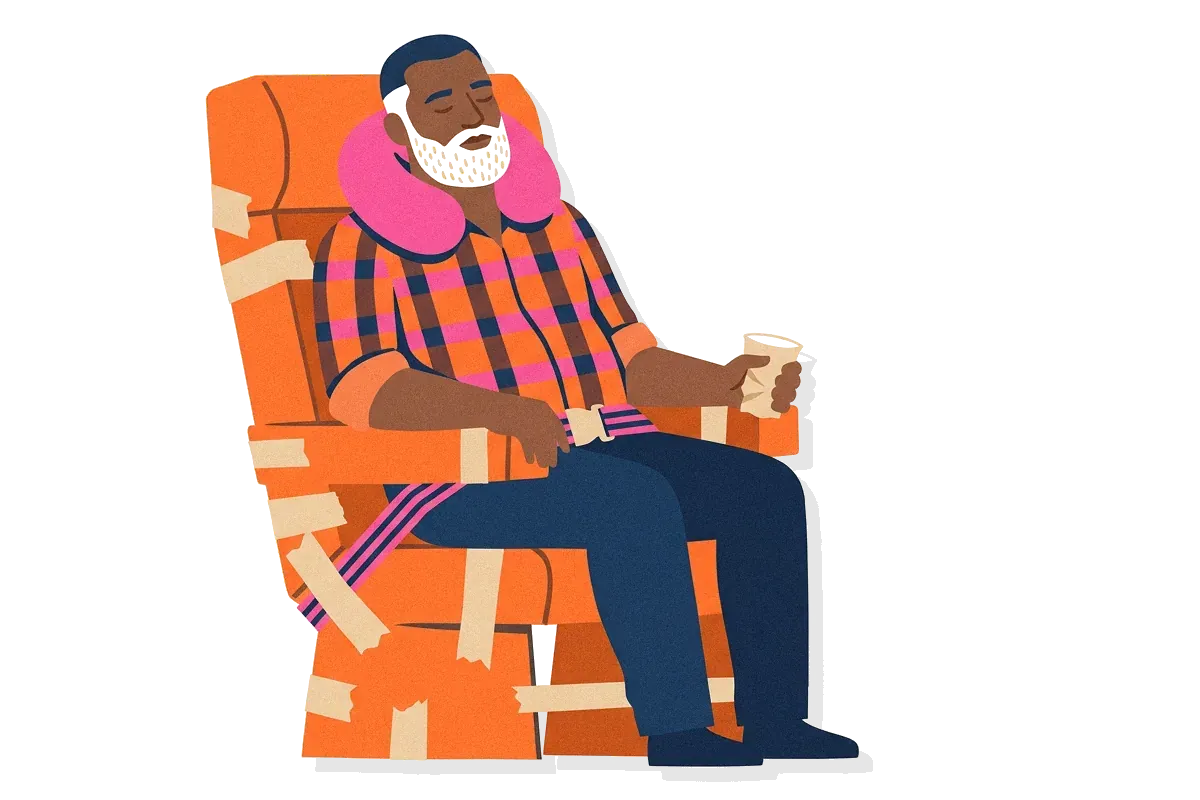
Experience prototyping

Evidence based design

Empathy maps
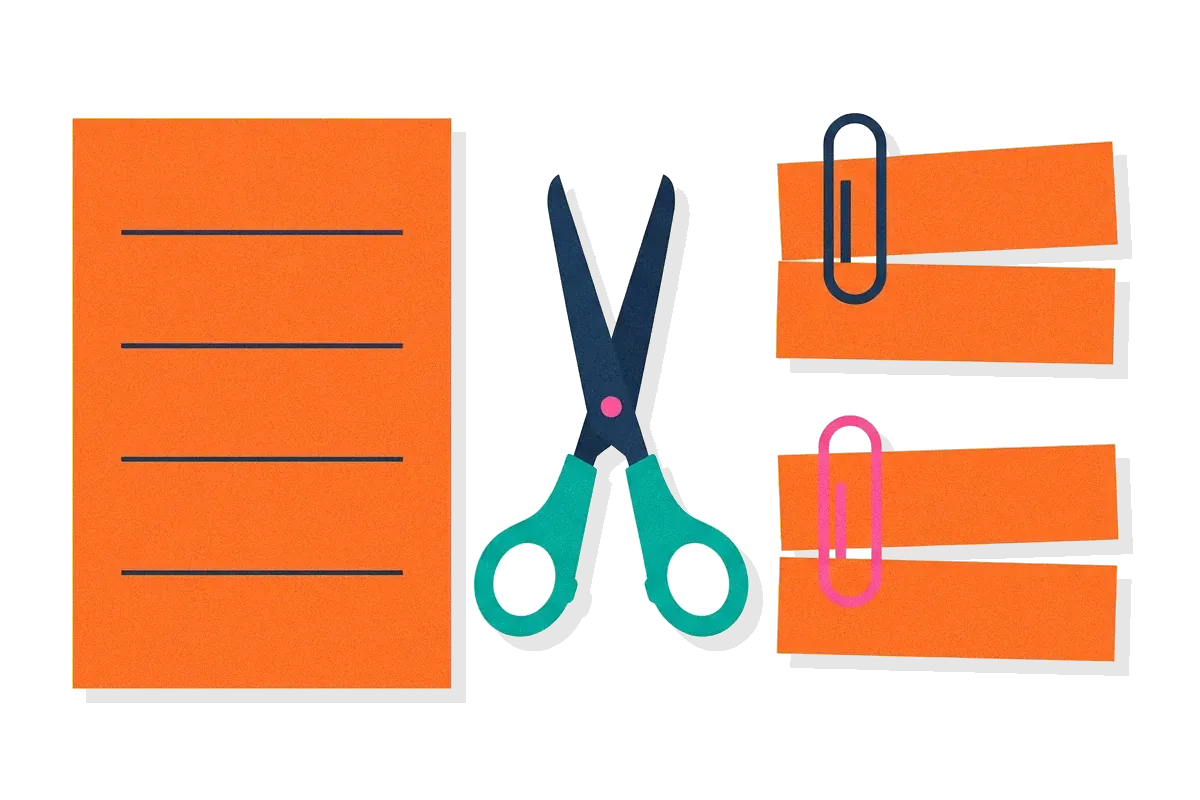
Elito method

Customer experience audit
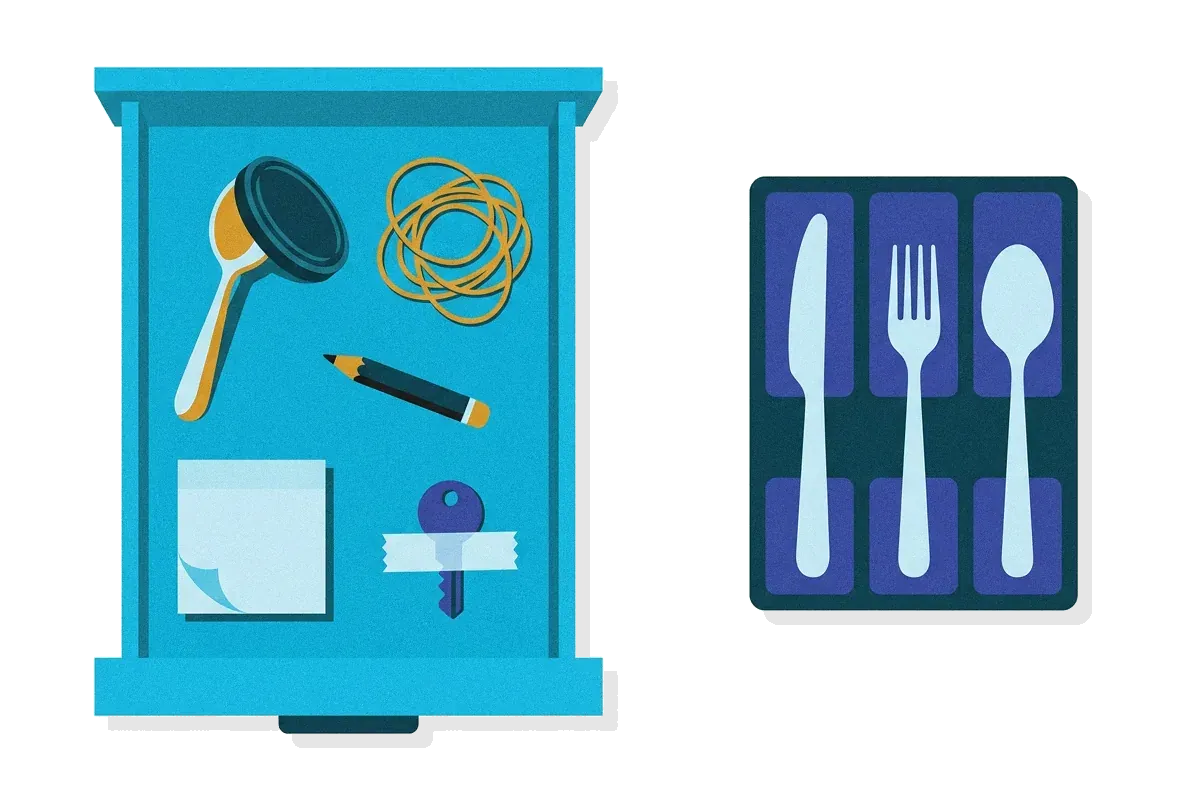
Contextual inquiry
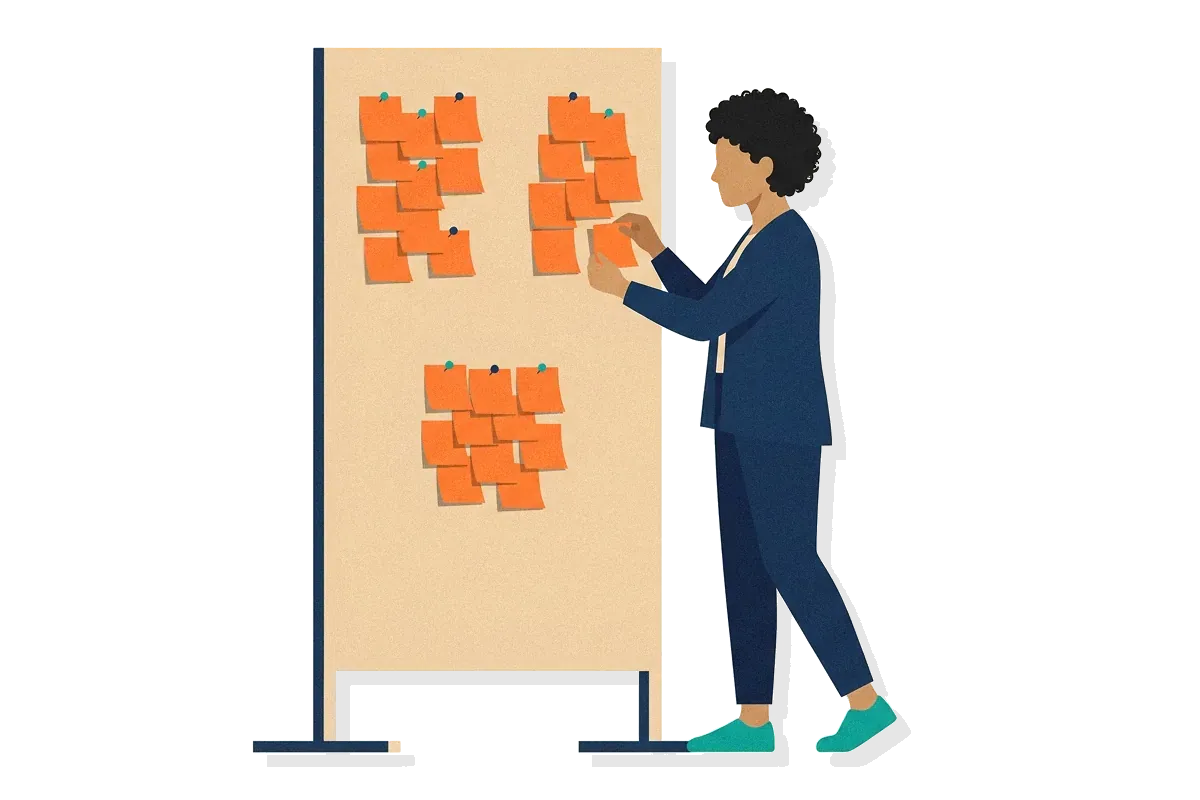
Contextual design
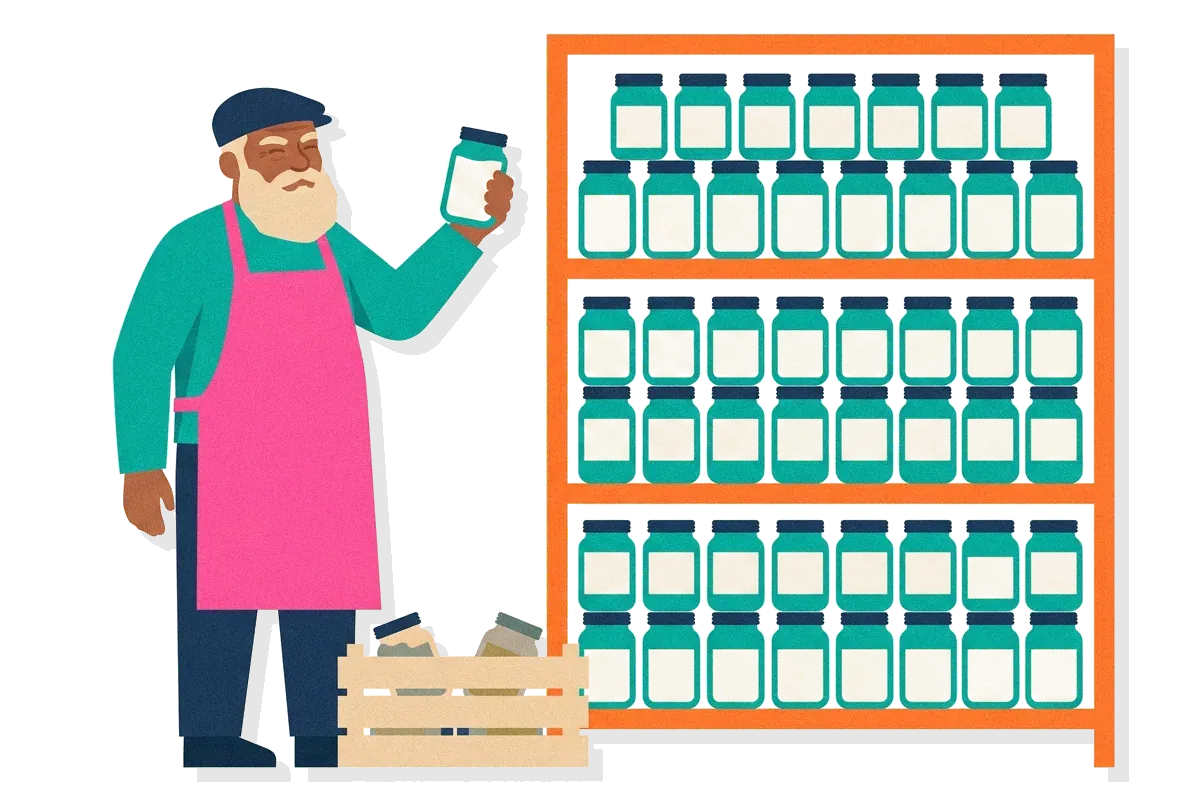
Content inventory and audit
Bodystorming
A design method where a team acts out a situation with rough props to find and test ideas in a physical setting.
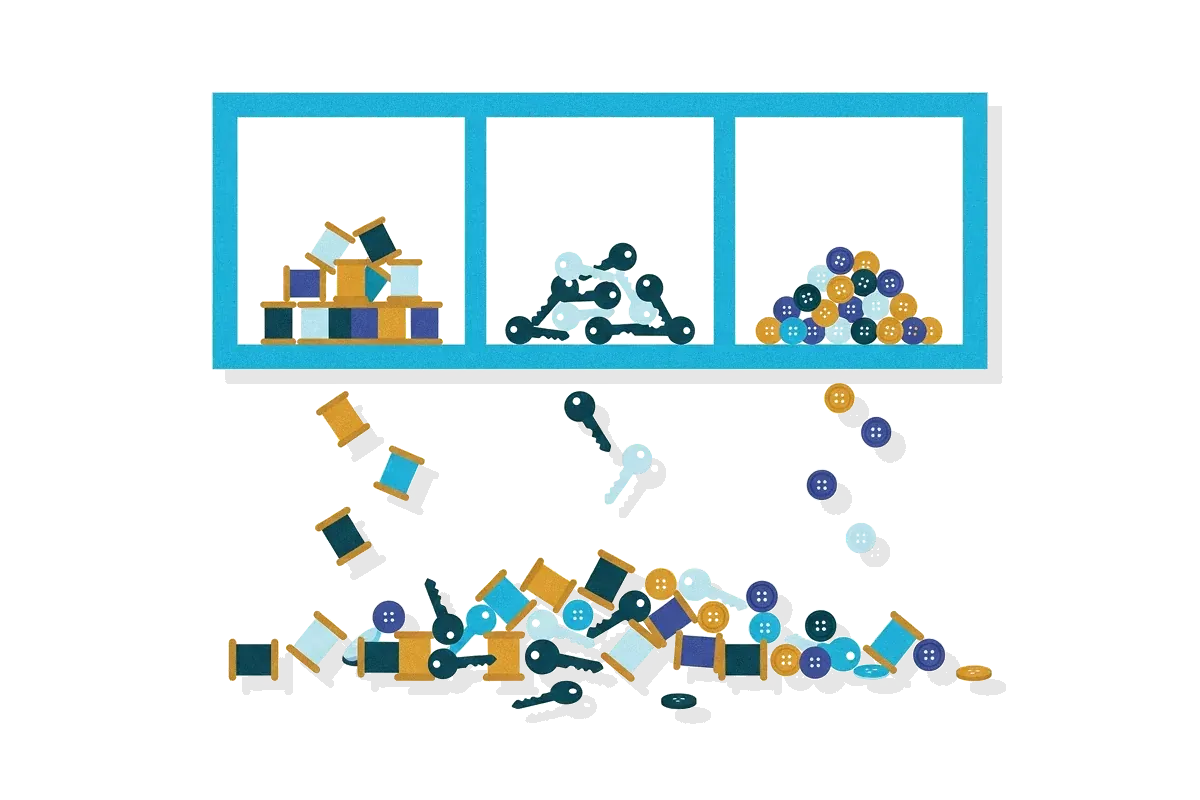
Affinity diagramming

Accessibility evaluation
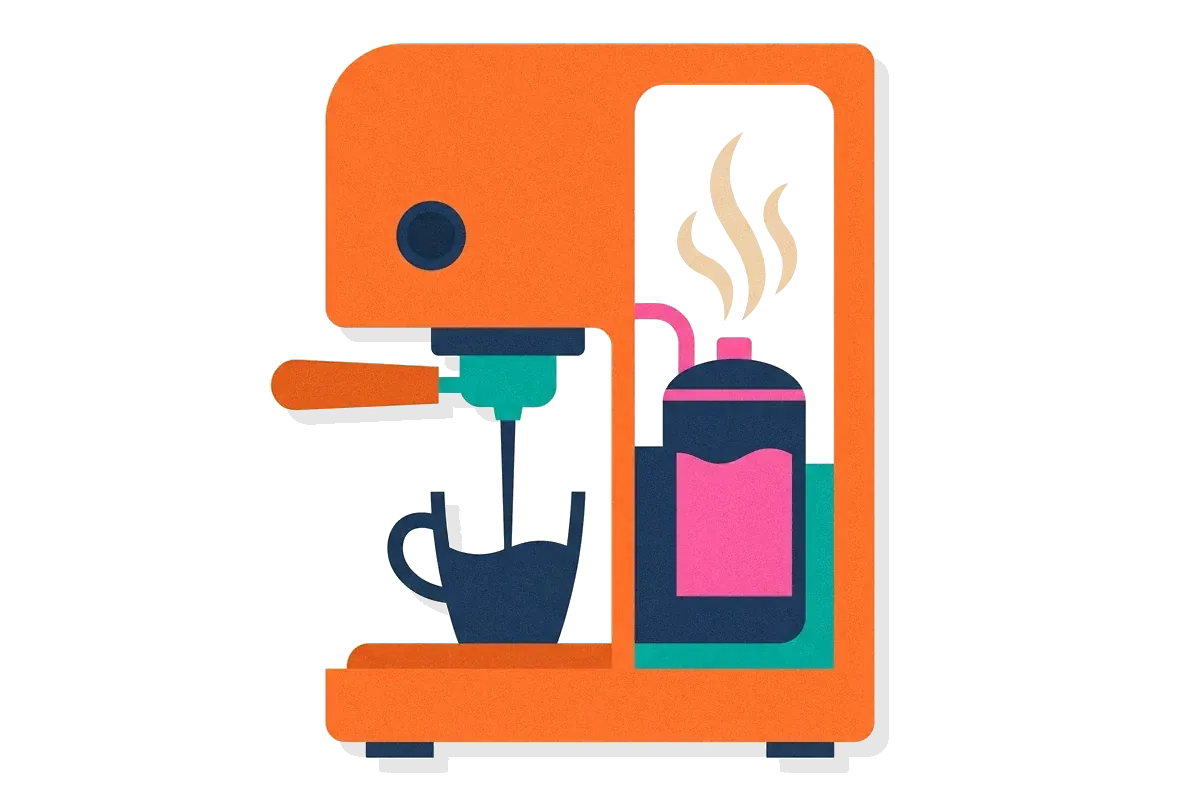
Visibility of System Status

Color Wheel

Brand Identity

Law of Prägnanz
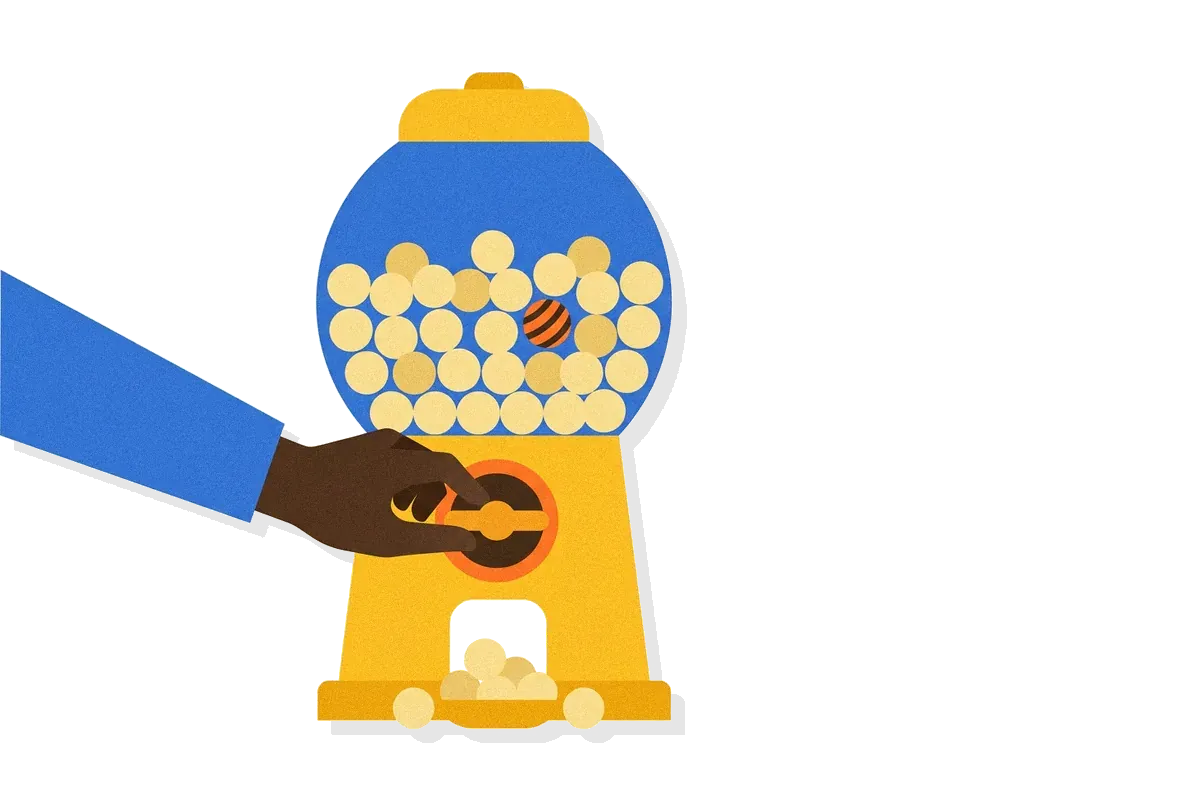
Variable Reward

Visual Anchors

Progressive Disclosure
Tesler's Law
Tesler's Law states that every application has an irreducible amount of complexity, so design can only choose whether the user, the application developer, or the platform developer deals with it.
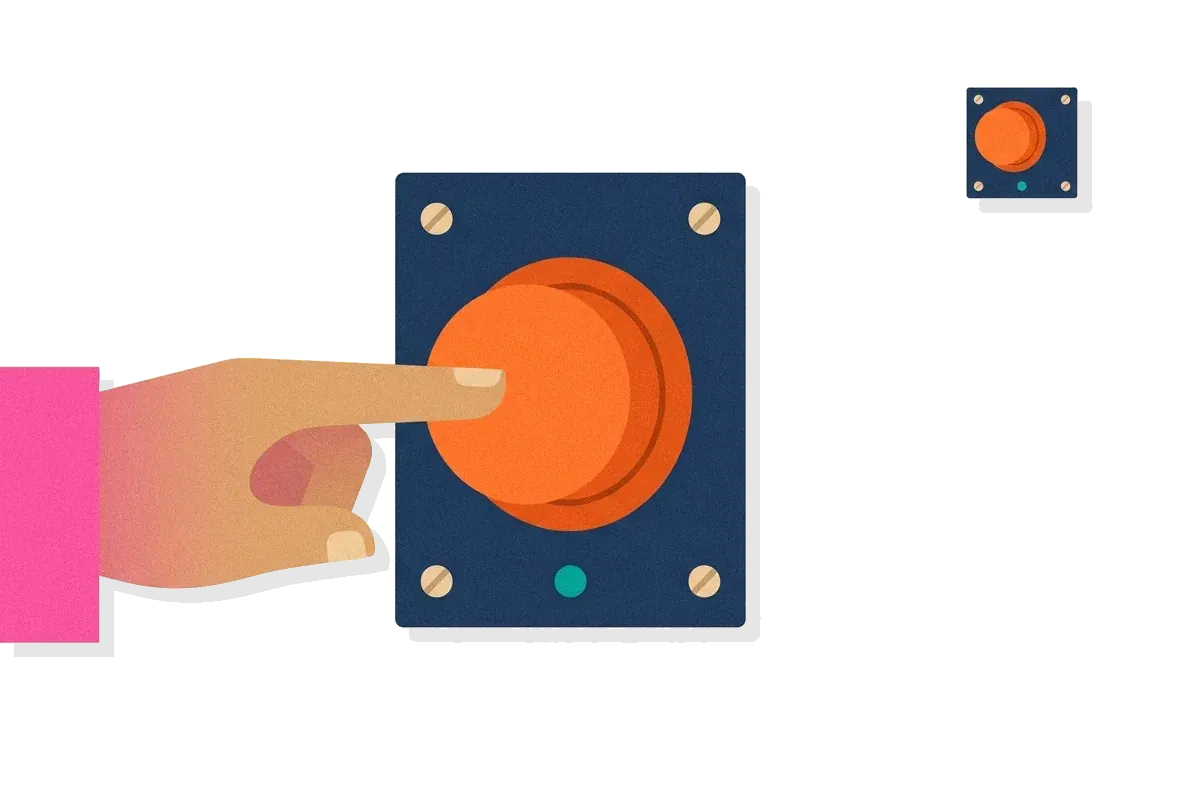
Fitts's Law

Progressive Load

The Necessity of Choice

Contrast

Banner blindness
- New

Sniper Links

Heuristic Evaluation
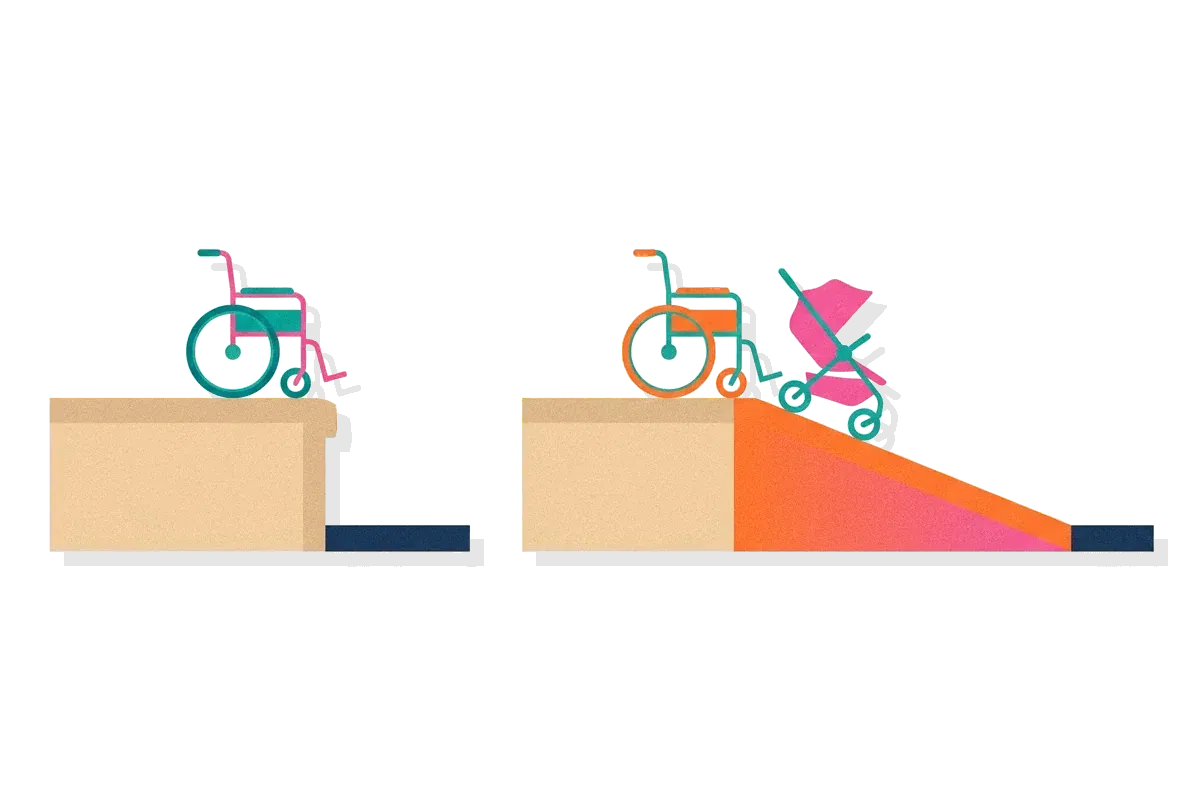
Accessibility
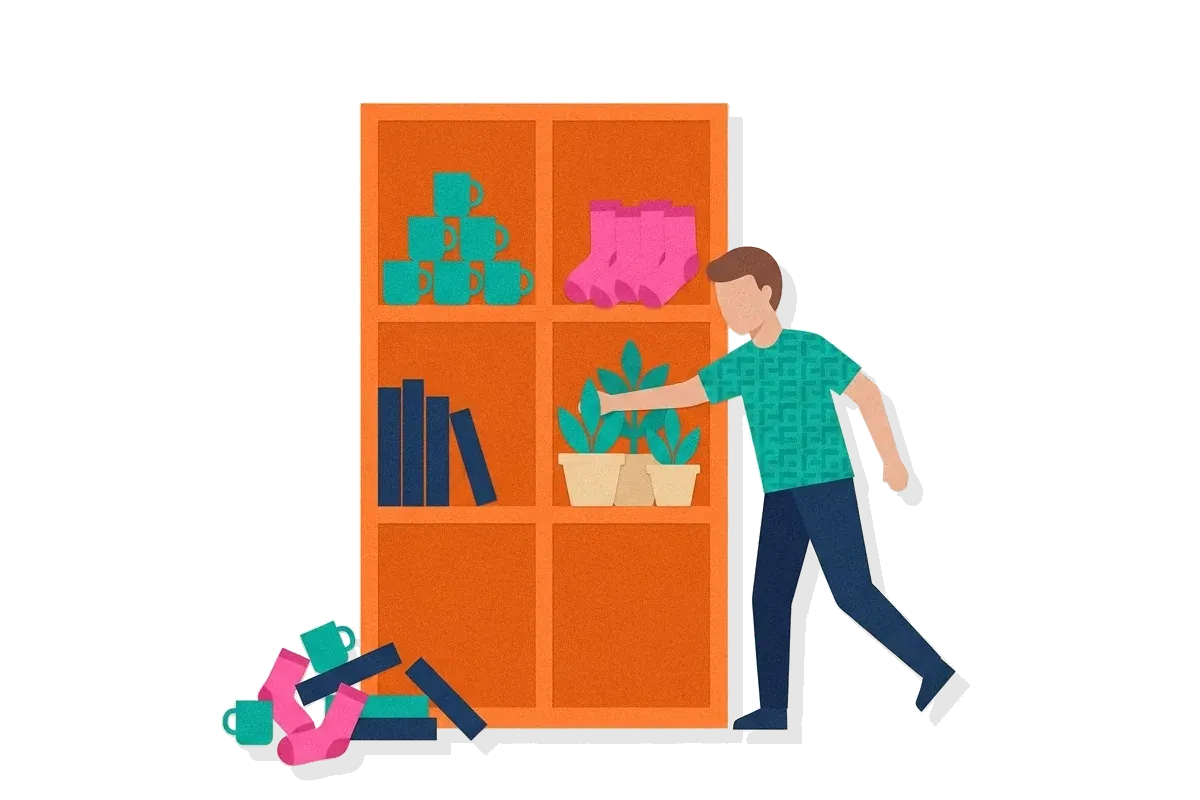
Information Architecture
Design System
The maintained set of standards, components and code a team uses to design and build a product consistently at scale.
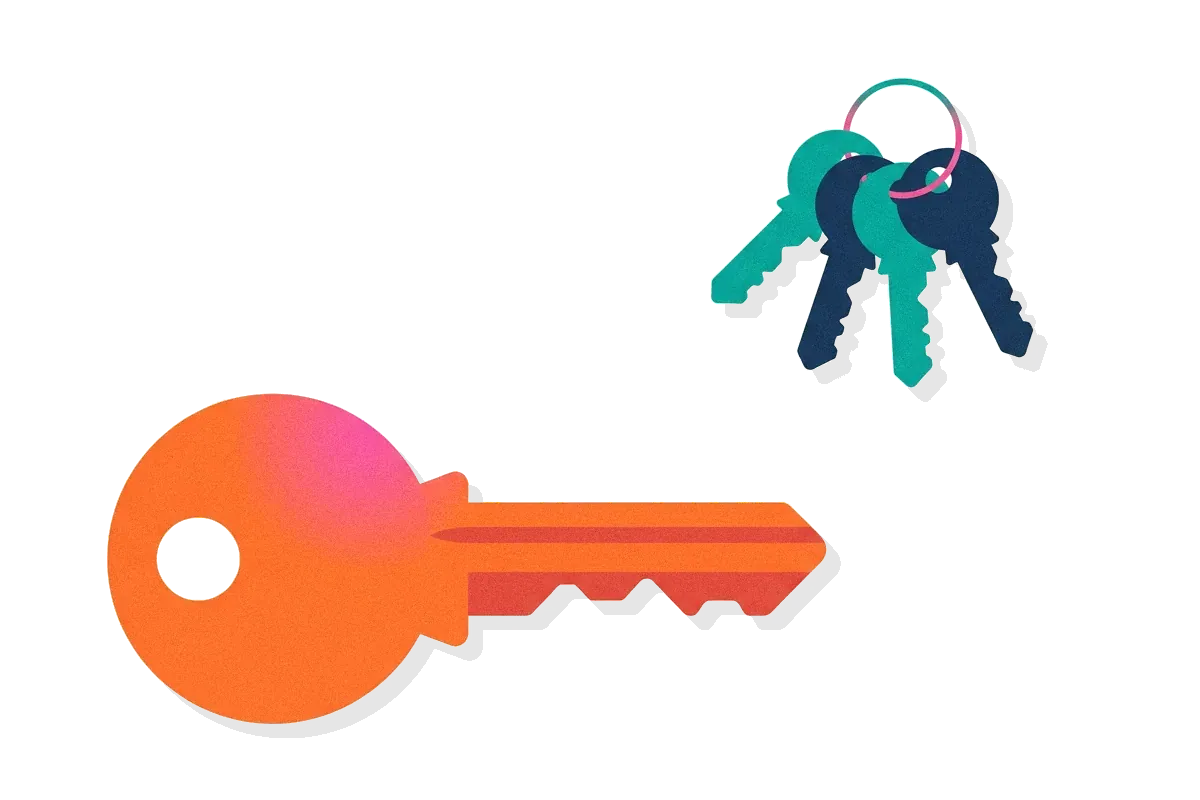
Information Hierarchy
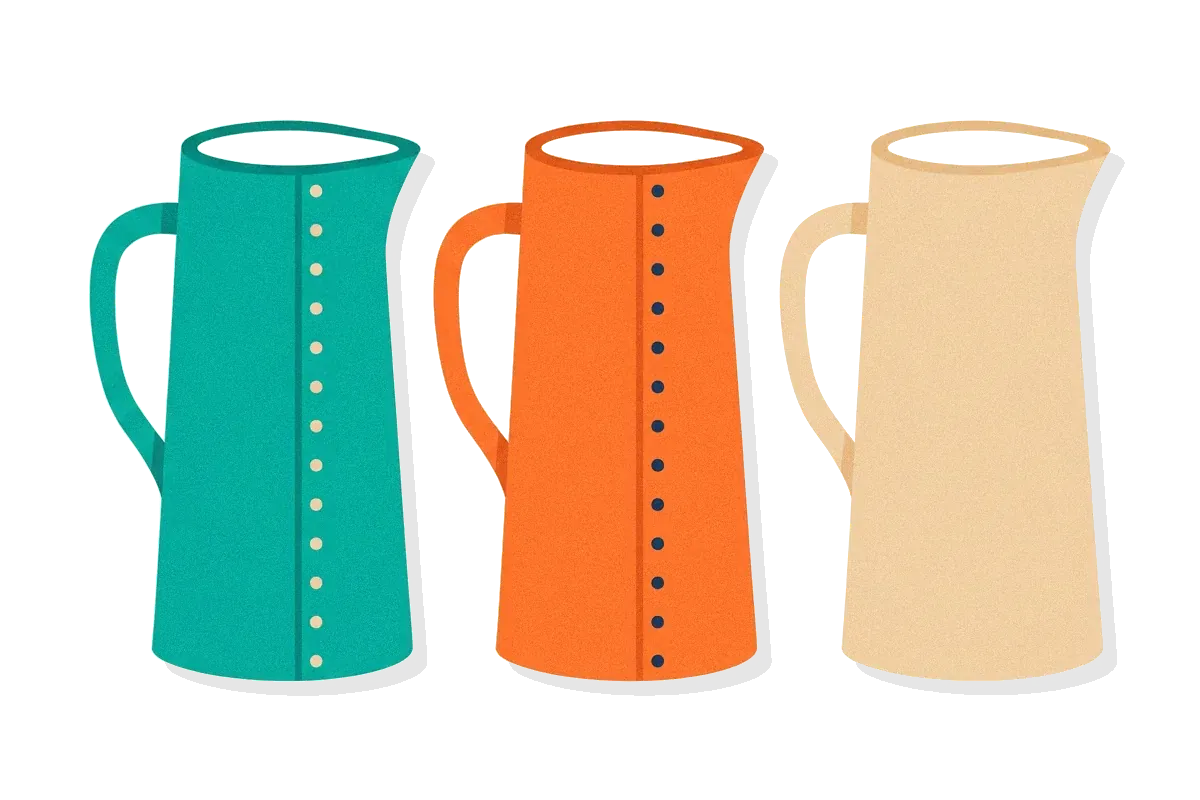
Skeuomorphic Design

WCAG 2.1 AA

Eye Tracking
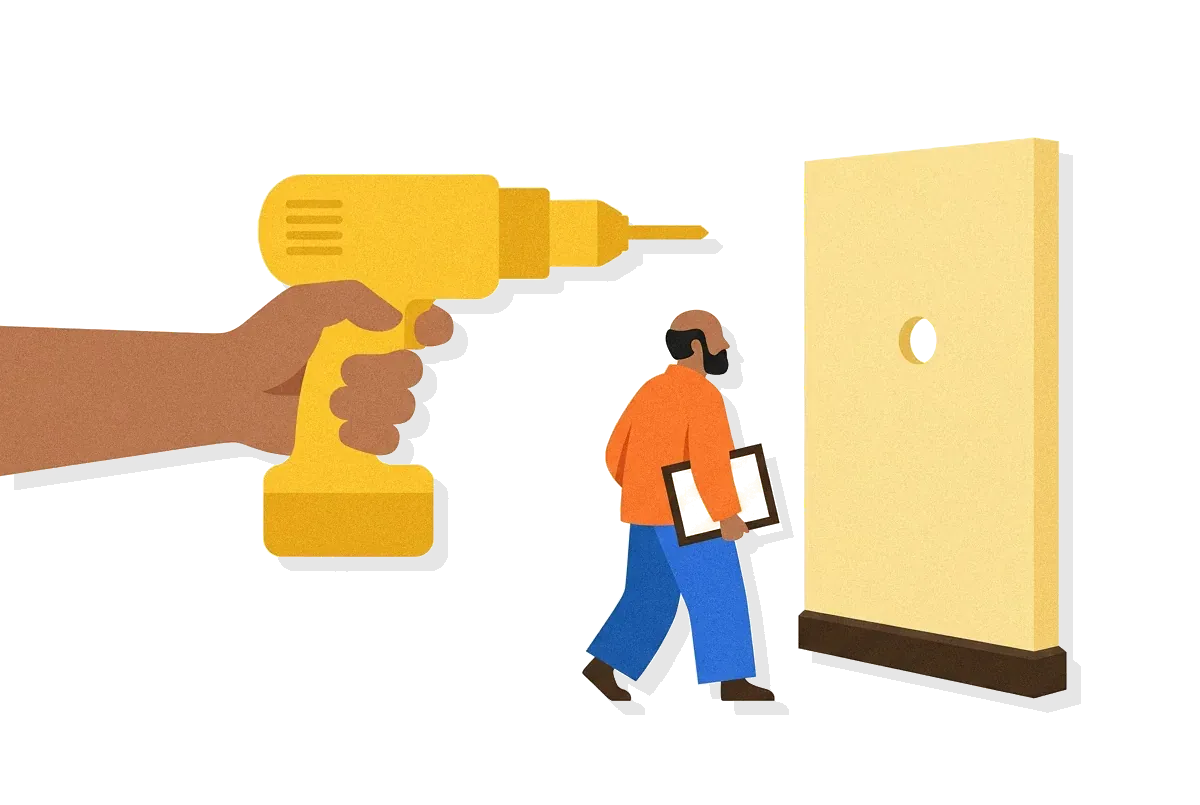
JTBD

Cognitive Ease
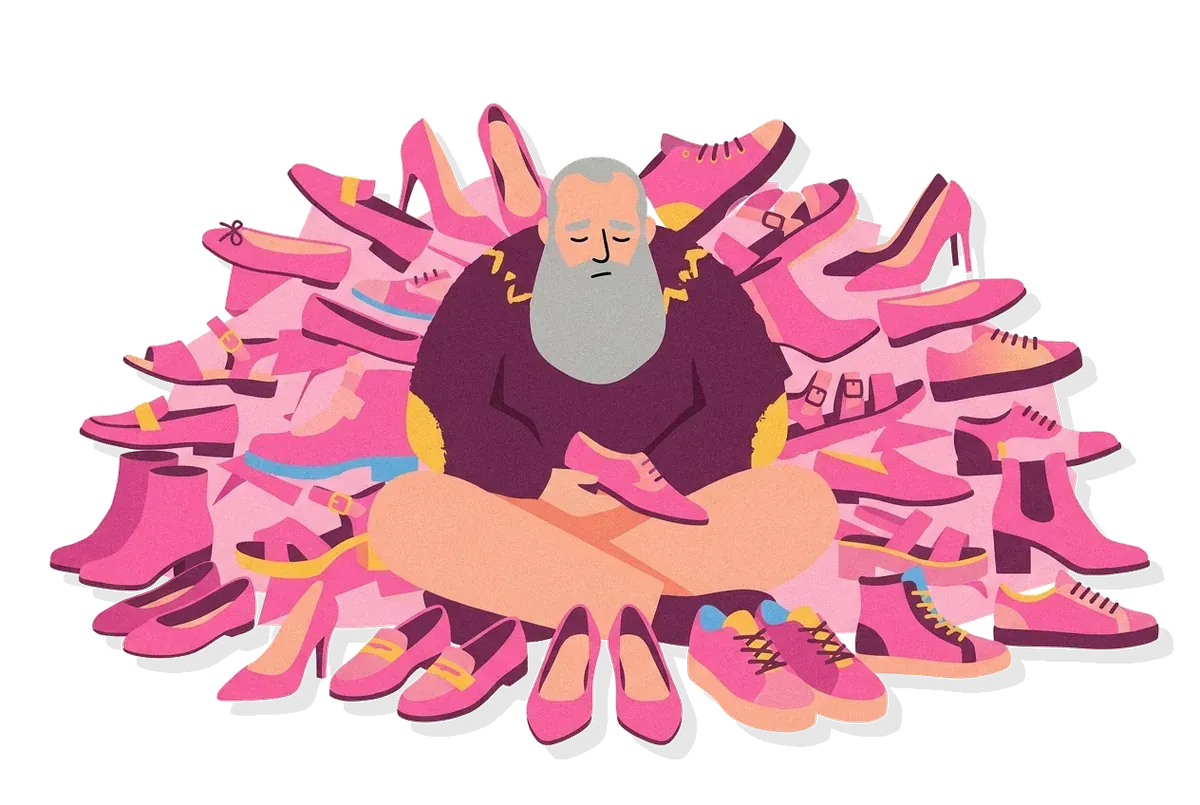
Paradox of Choice
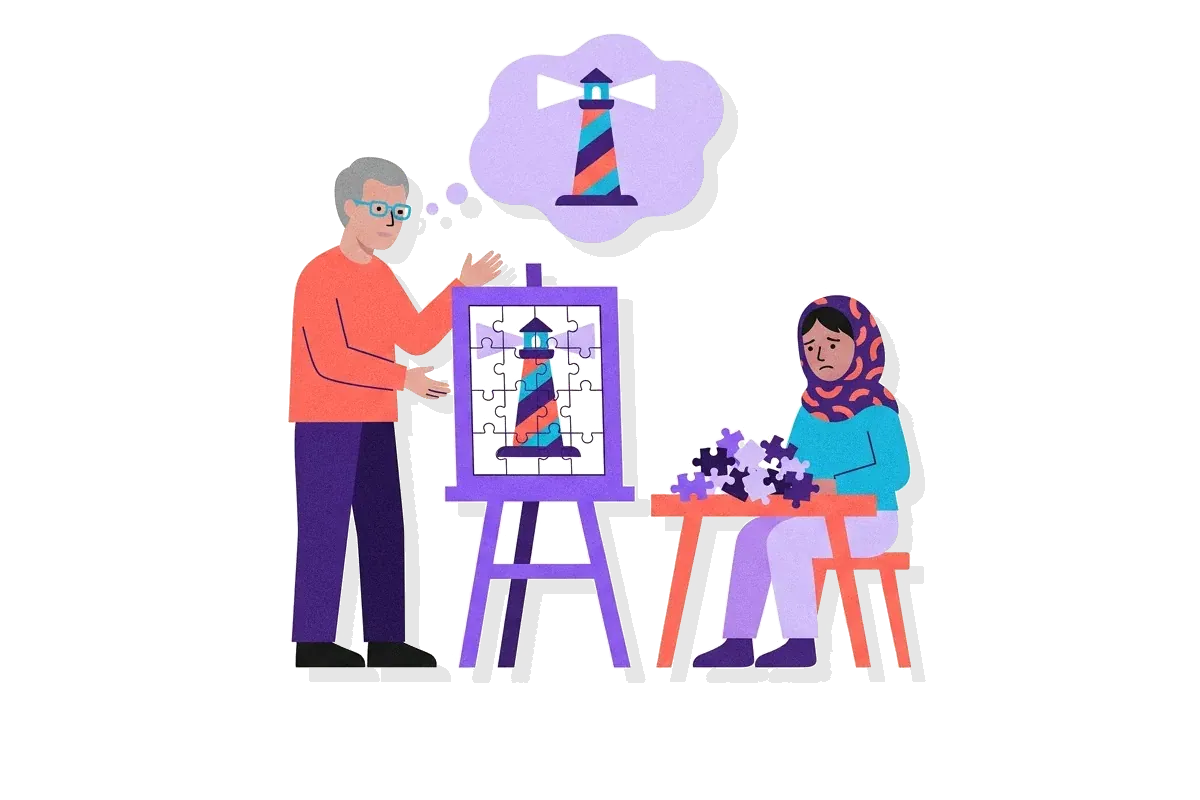
Curse of Knowledge
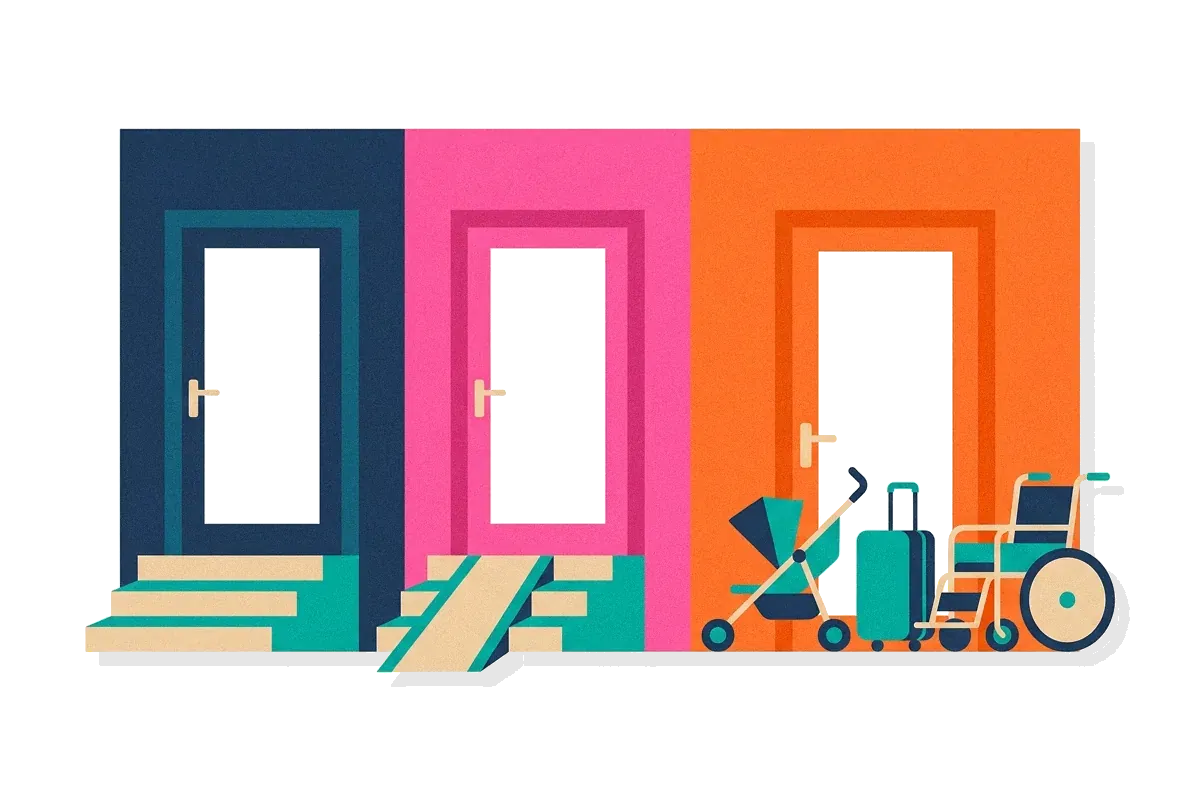
Universal Design
Choice Closure
The sense that a decision is final, which stops a person from going back over it and comparing it with the options given up.
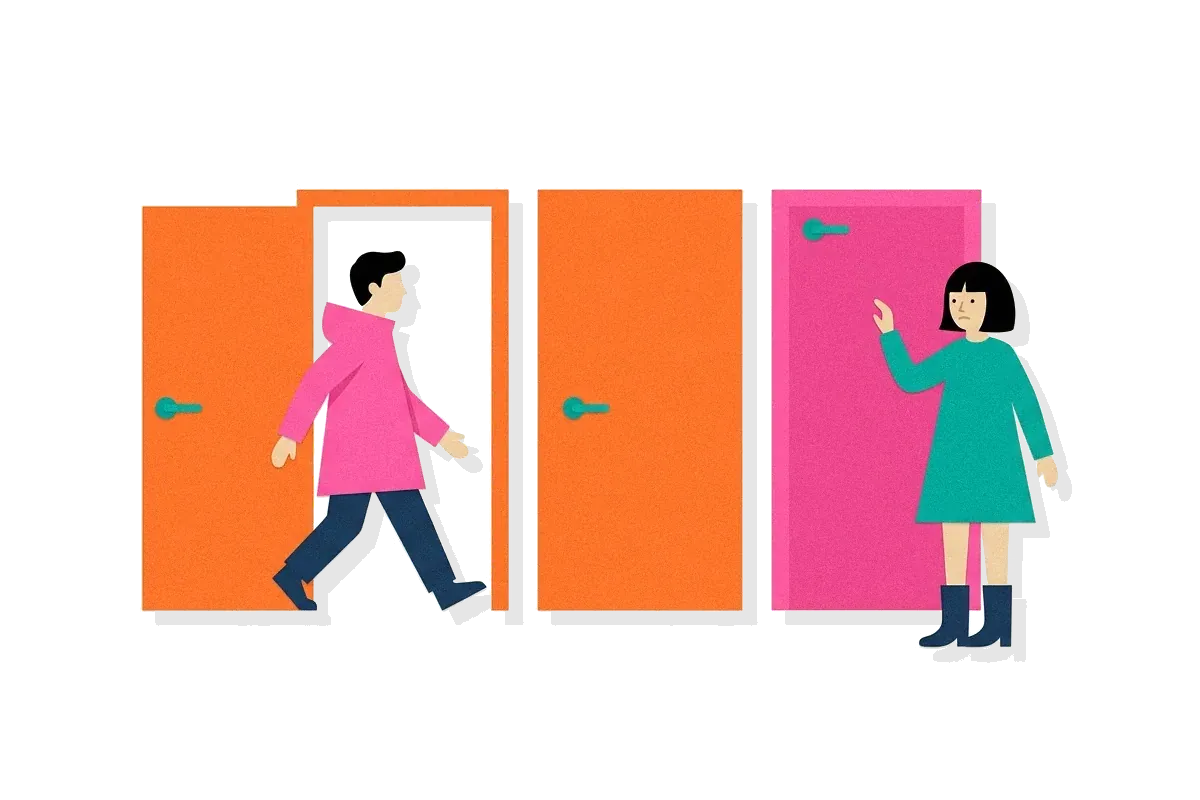
Jakob's Law
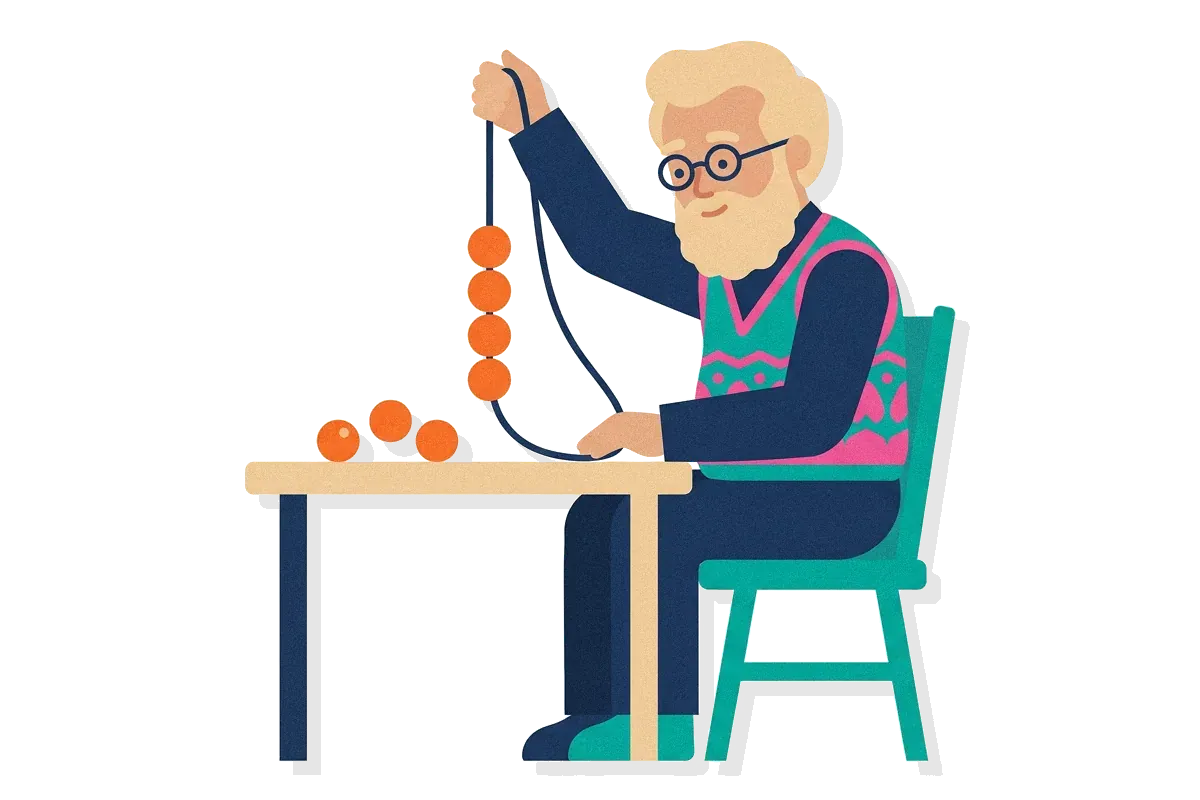
Law of Uniform Connect

Law of Common Region

Anthropomorphism

Awe and Wonder
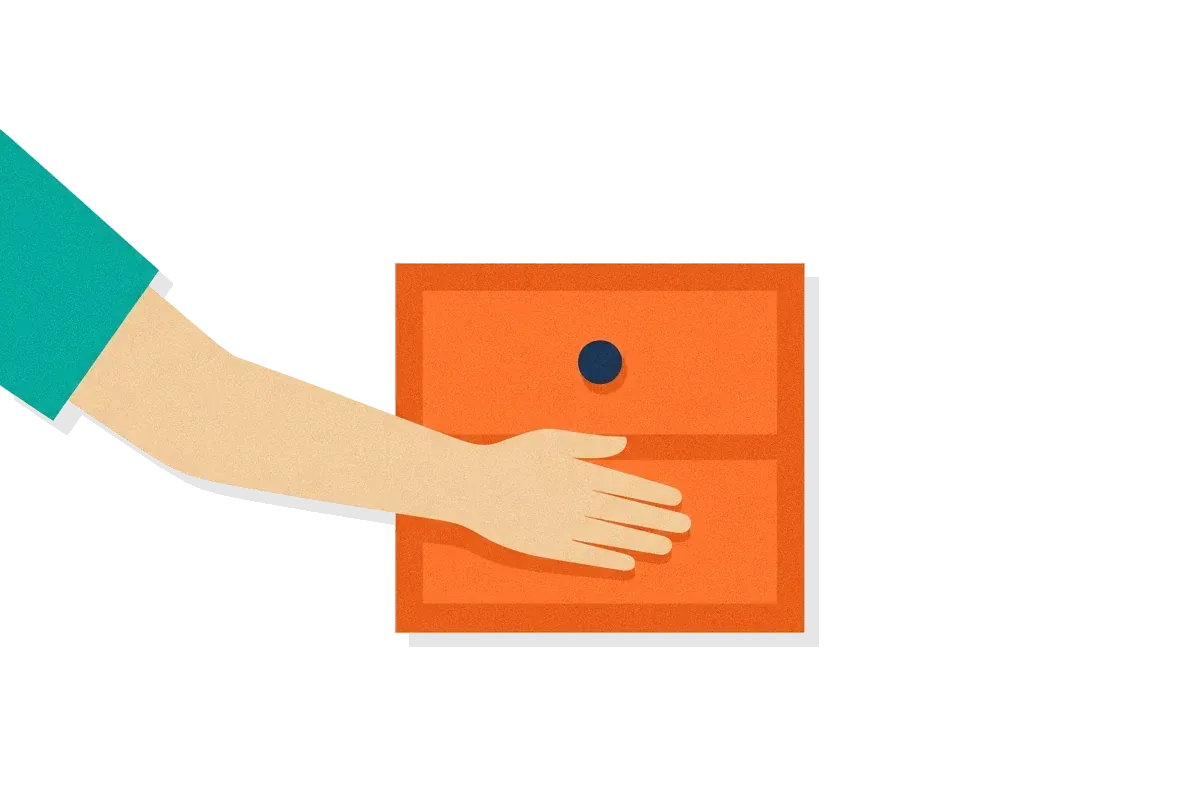
Discoverability
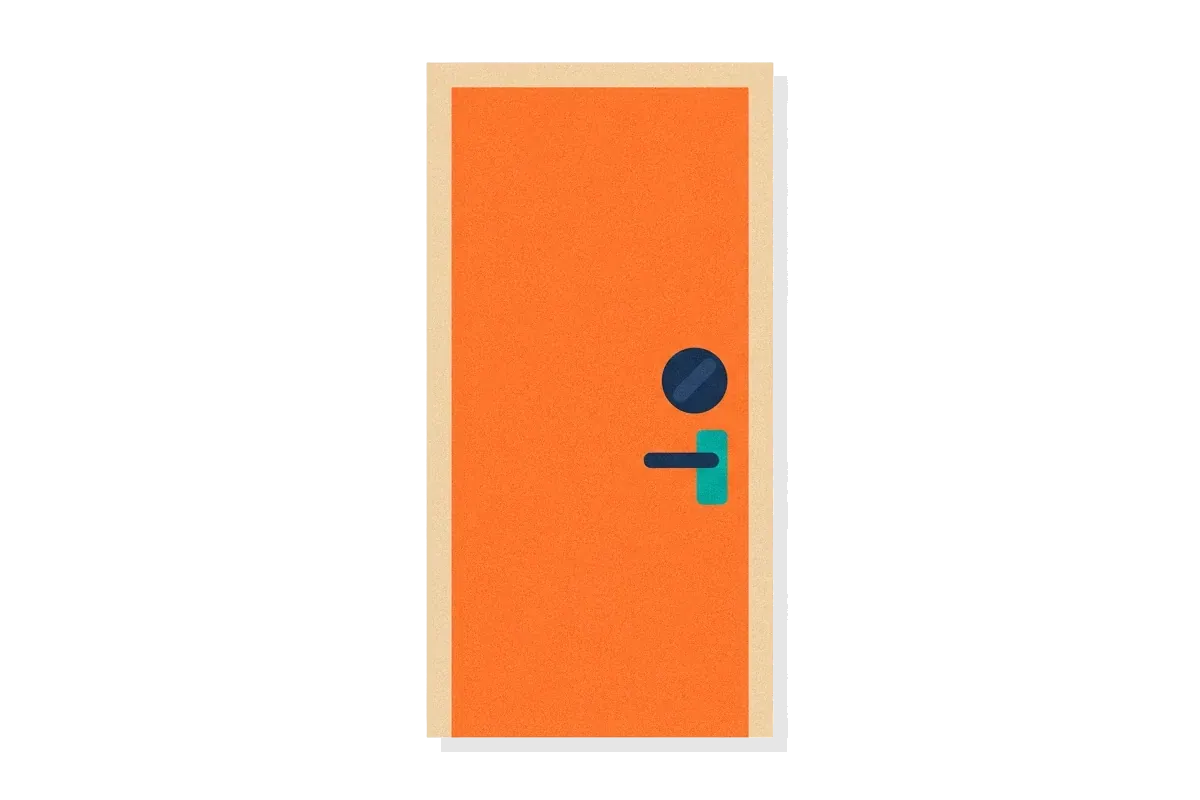
Gulf of Evaluation
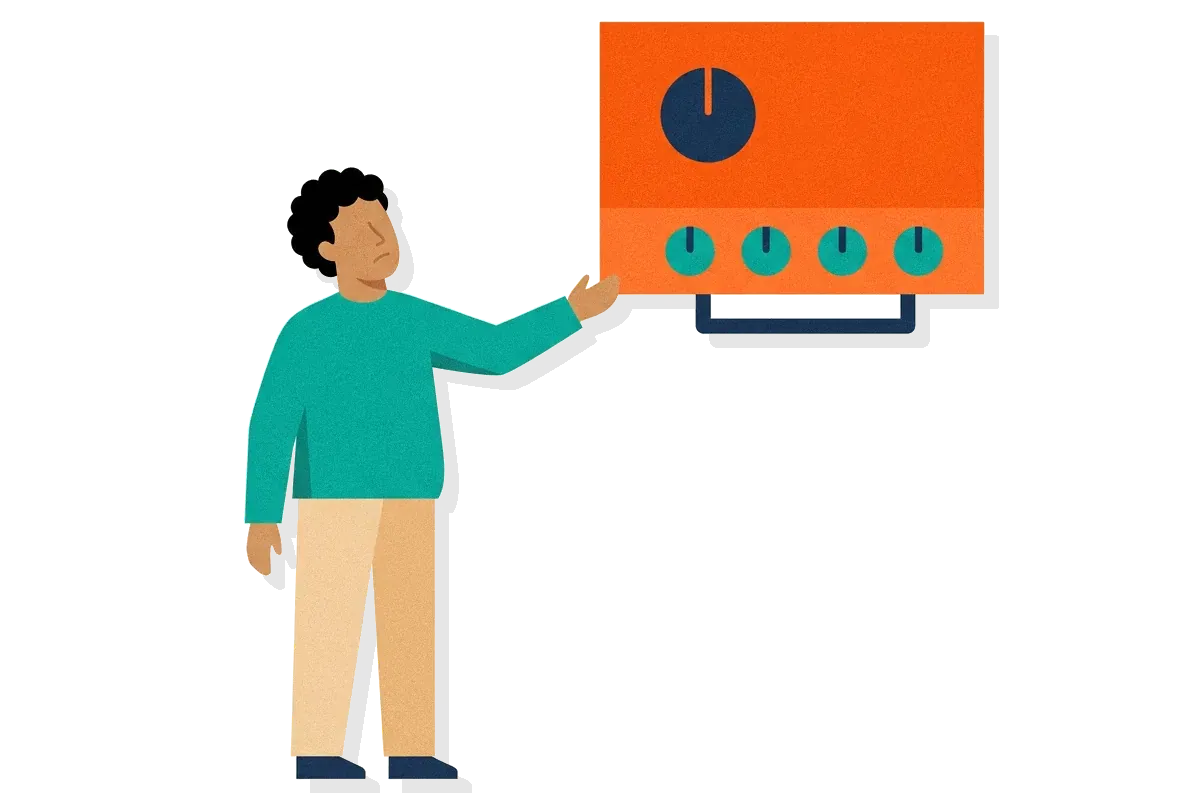
Gulf of Execution
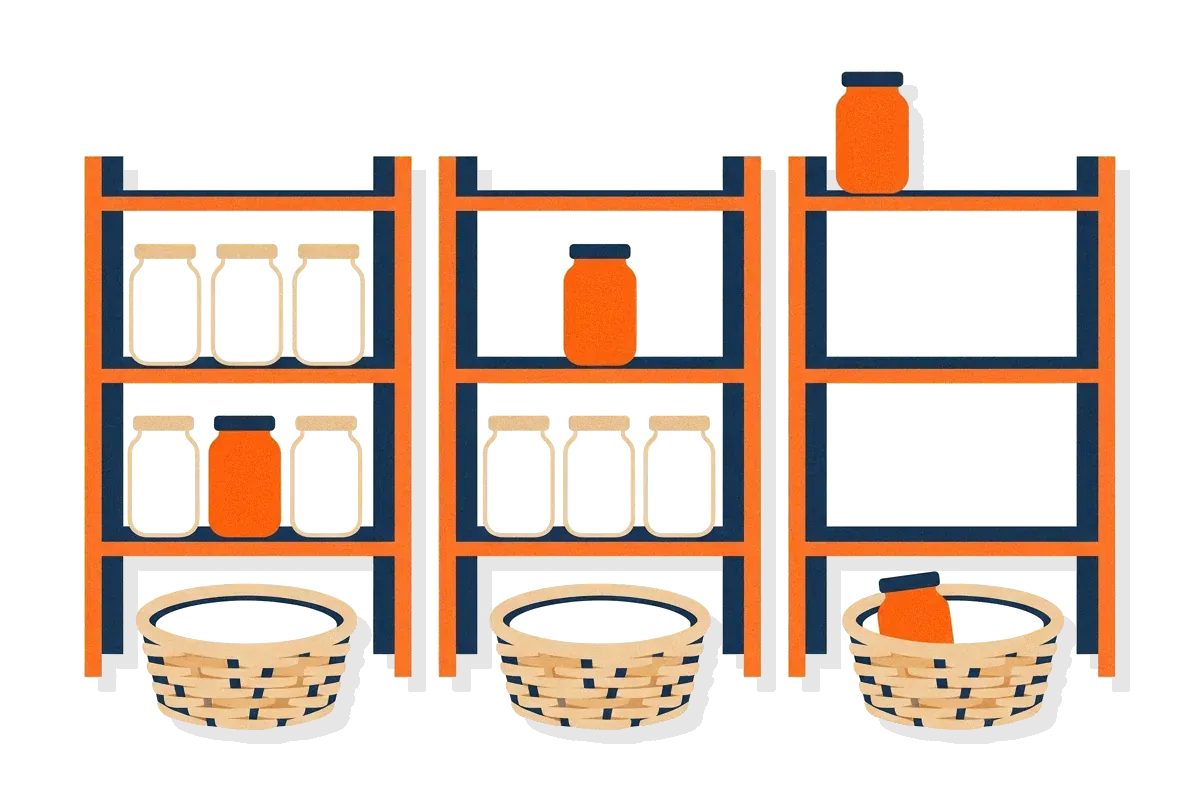
Choice Architecture
Dopamine Loops
A repeating cycle in which a cue prompts an action, the outcome adjusts how strongly the cue motivates, and dopamine signals support wanting and learning.
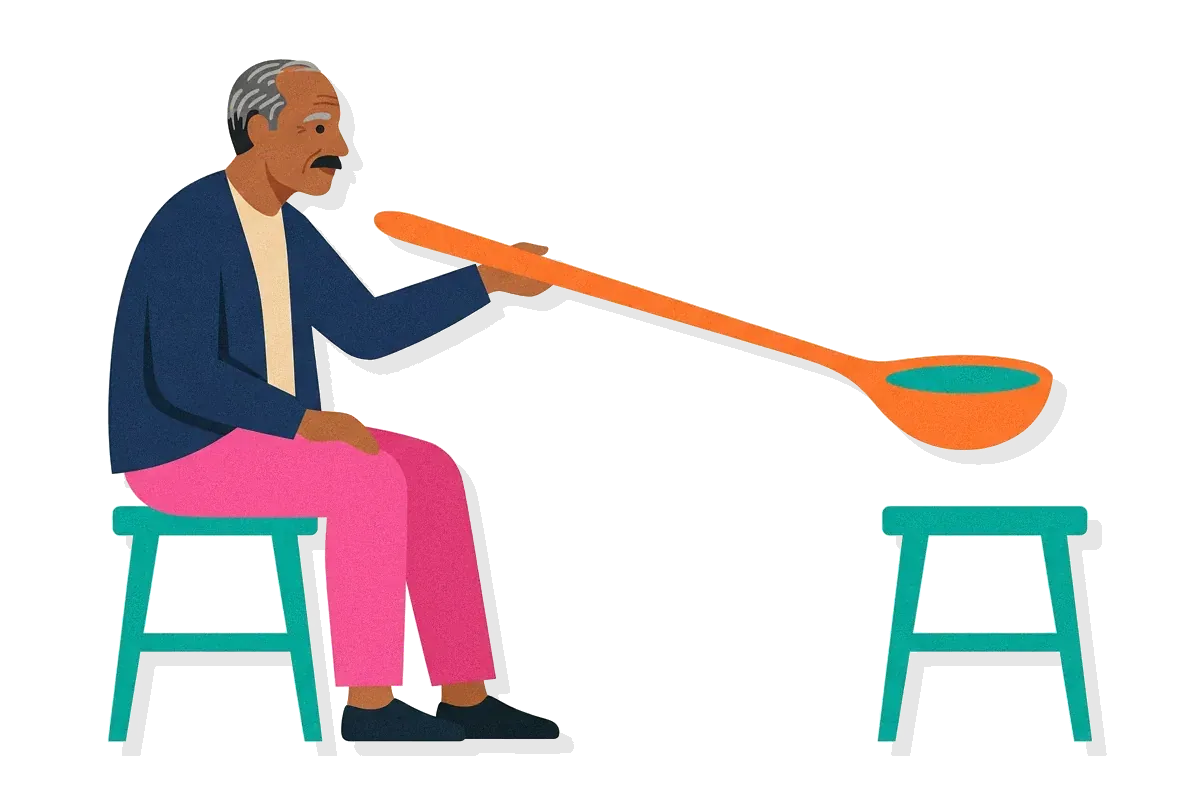
Altruism Design

Kerning

Typography Scale
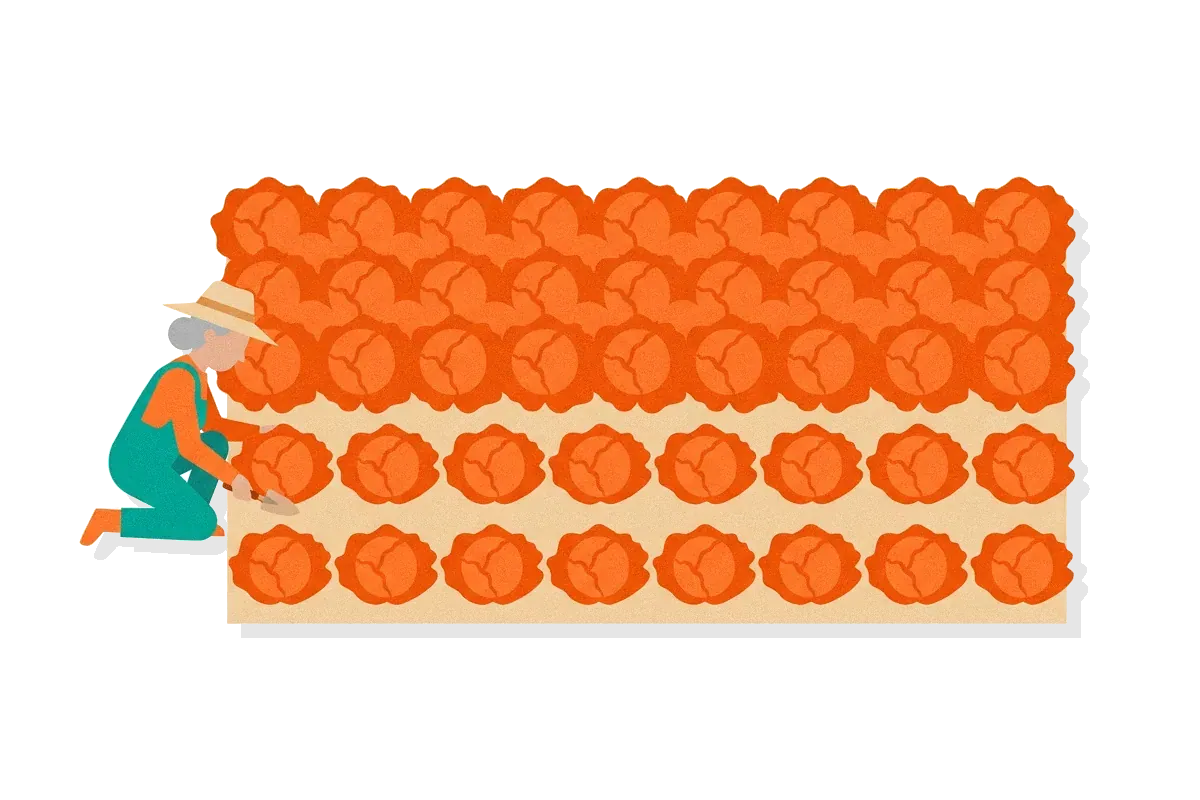
Leading
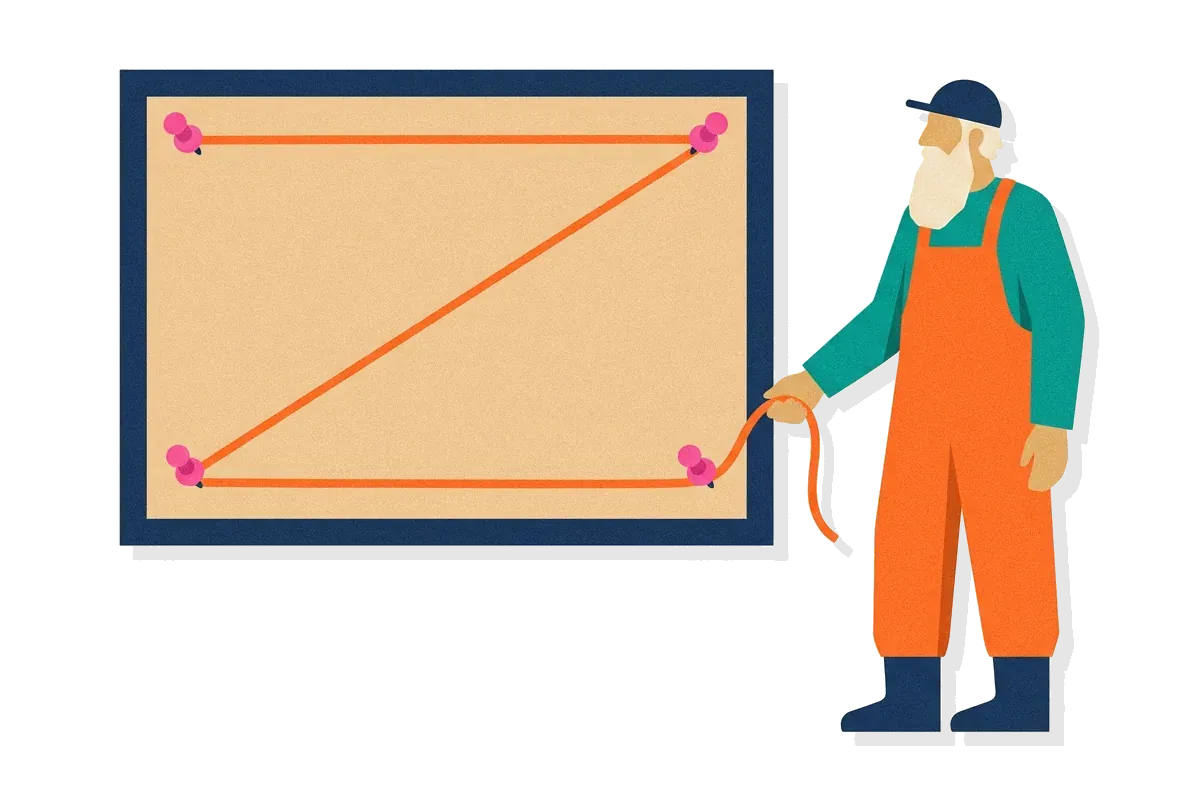
Z-Pattern

F-Pattern

Metaphorical Mapping
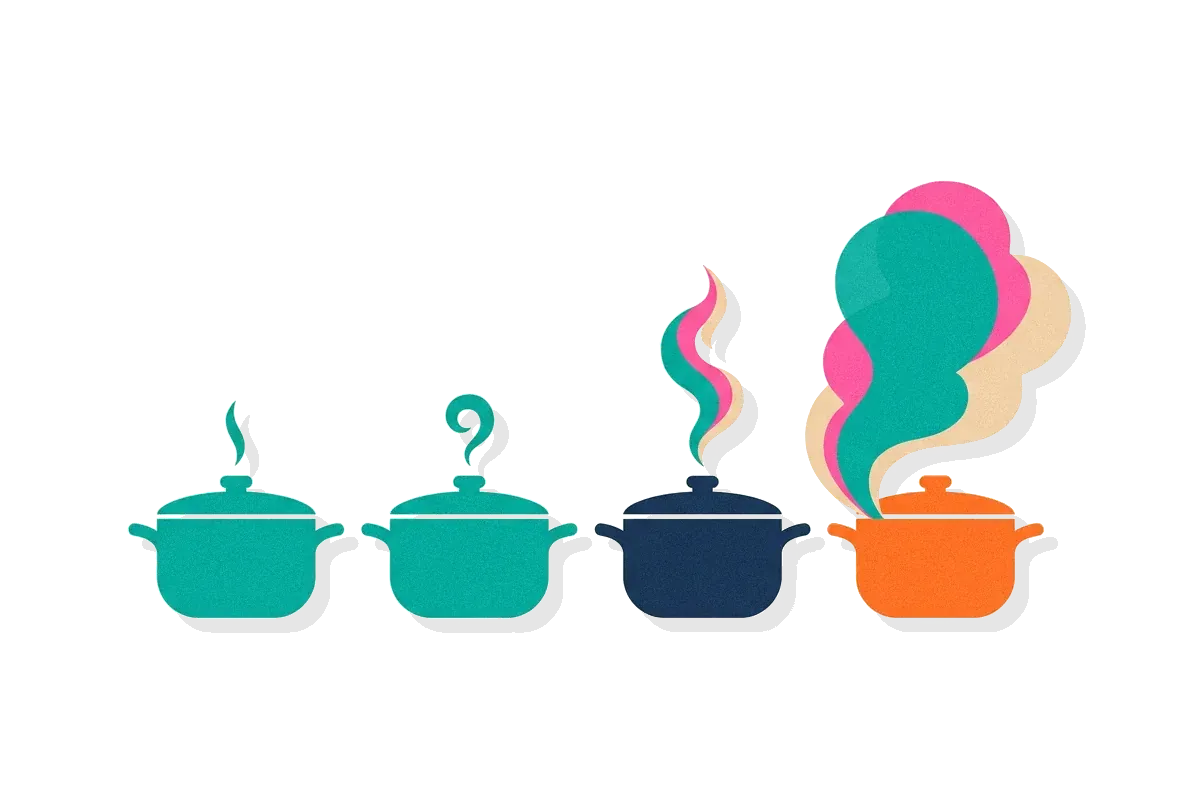
Information Scent
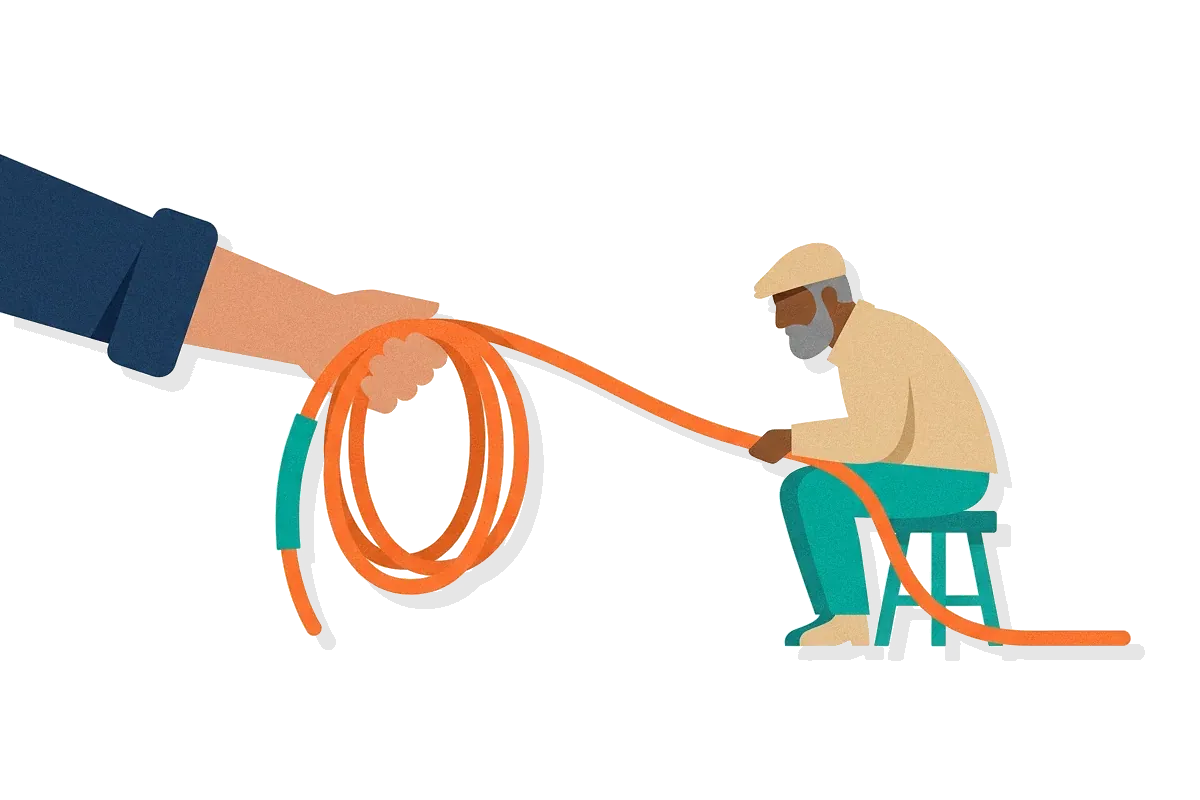
Bionic Reading
Gamification
Gamification is the use of game design elements, such as points, streaks and badges, in products that are not games, to change what people do.
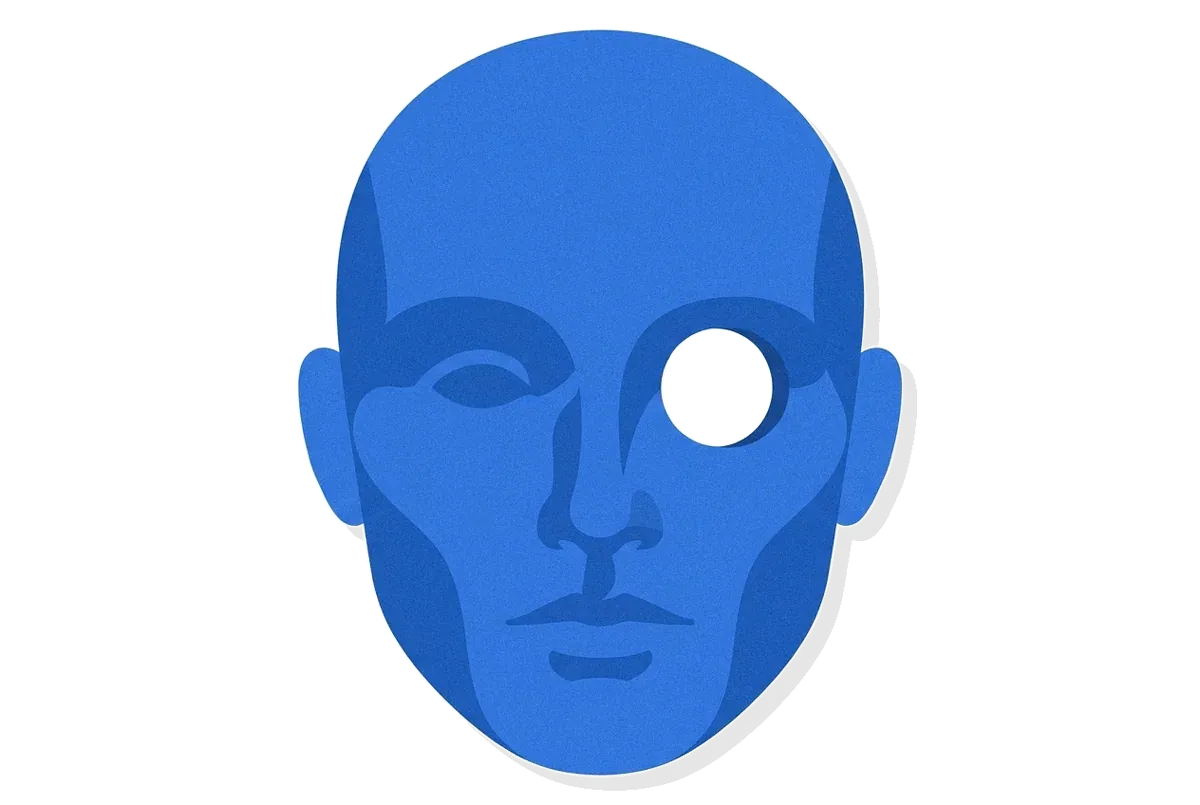
Uncanny Valley
Behavioral Design

Reflective Design

Visceral Design

Default Effect

Peak-End Rule

Aesthetic-Usability

Von Restorff Effect

Halo Effect
Social Proof
The habit of copying what other people do when you are unsure what the right choice is, shown in marketing through ratings, counts and popular picks.
Choice Overload
Conceptual Models

Mental Models

Working Memory

Chunking

Cognitive Load Theory

Attentional Blink
Change Blindness
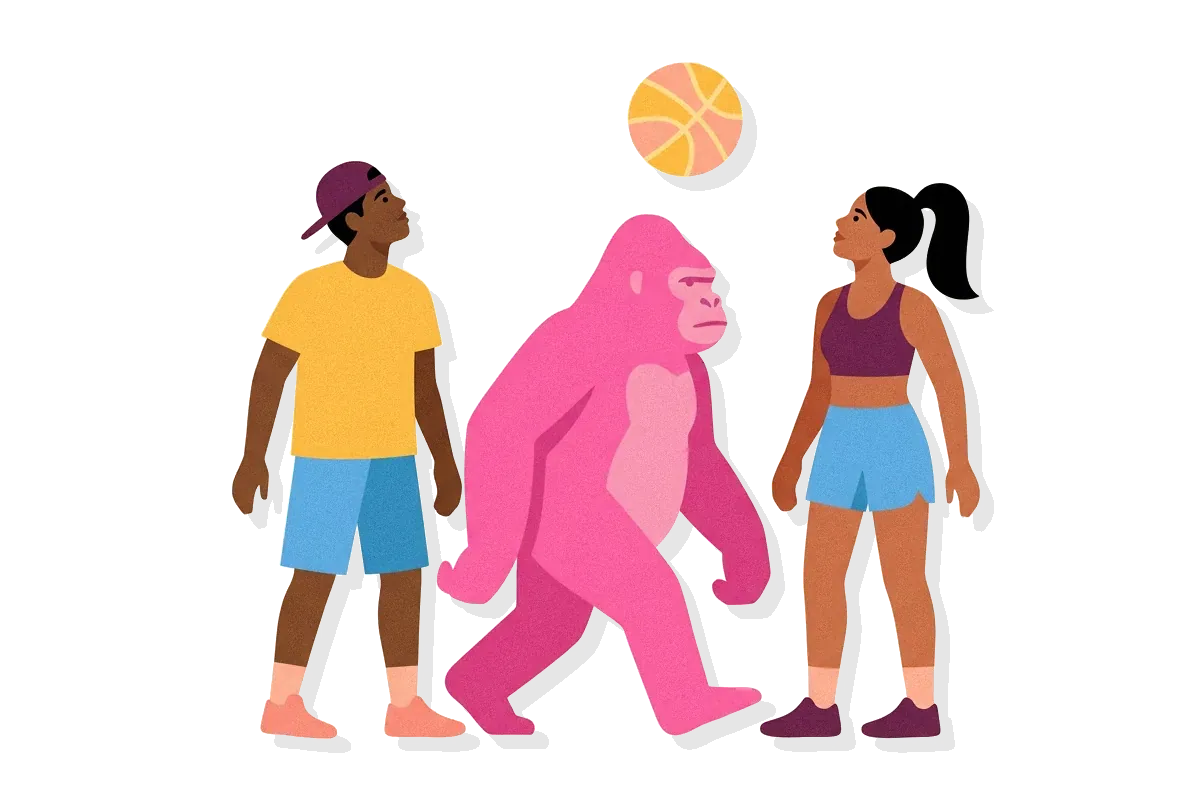
Inattentional Blindness
Signifiers
A signifier is a perceivable cue, such as a flat plate on a door or a raised edge on a button, that shows people which action is possible and where to take it.
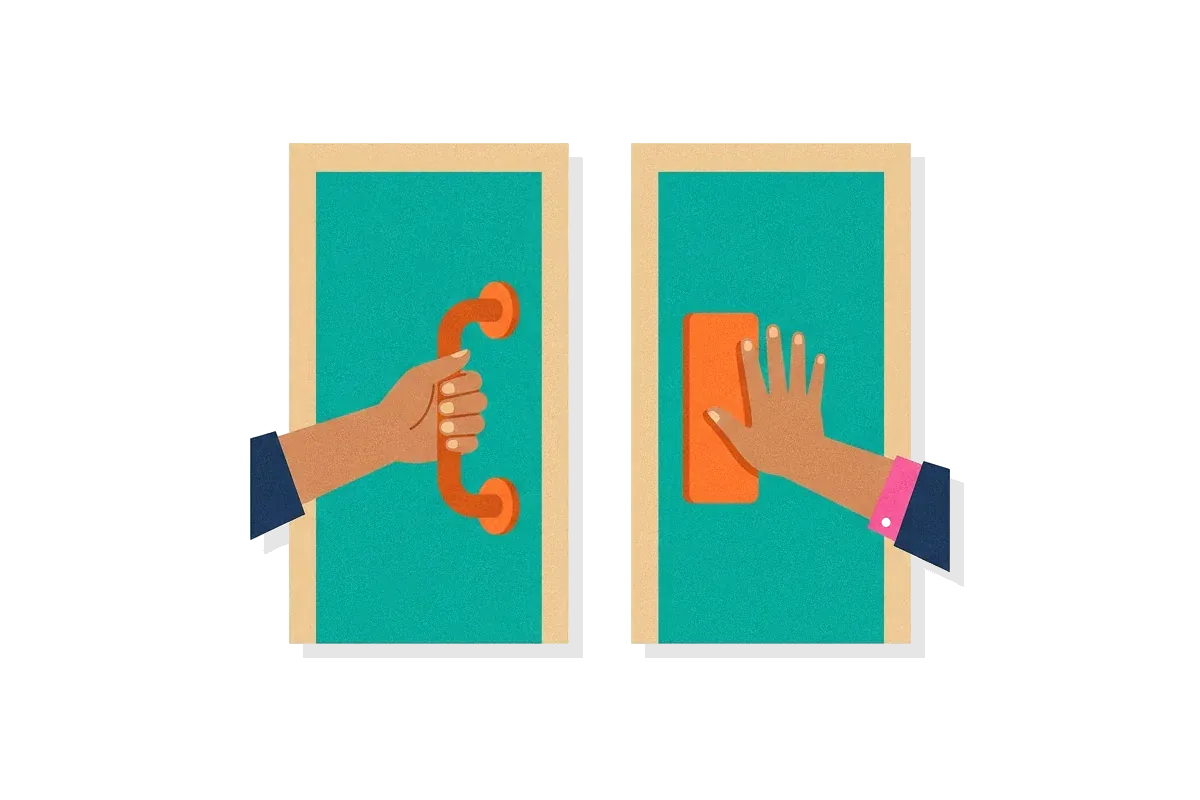
Affordance

Visual Hierarchy

Bezold Effect
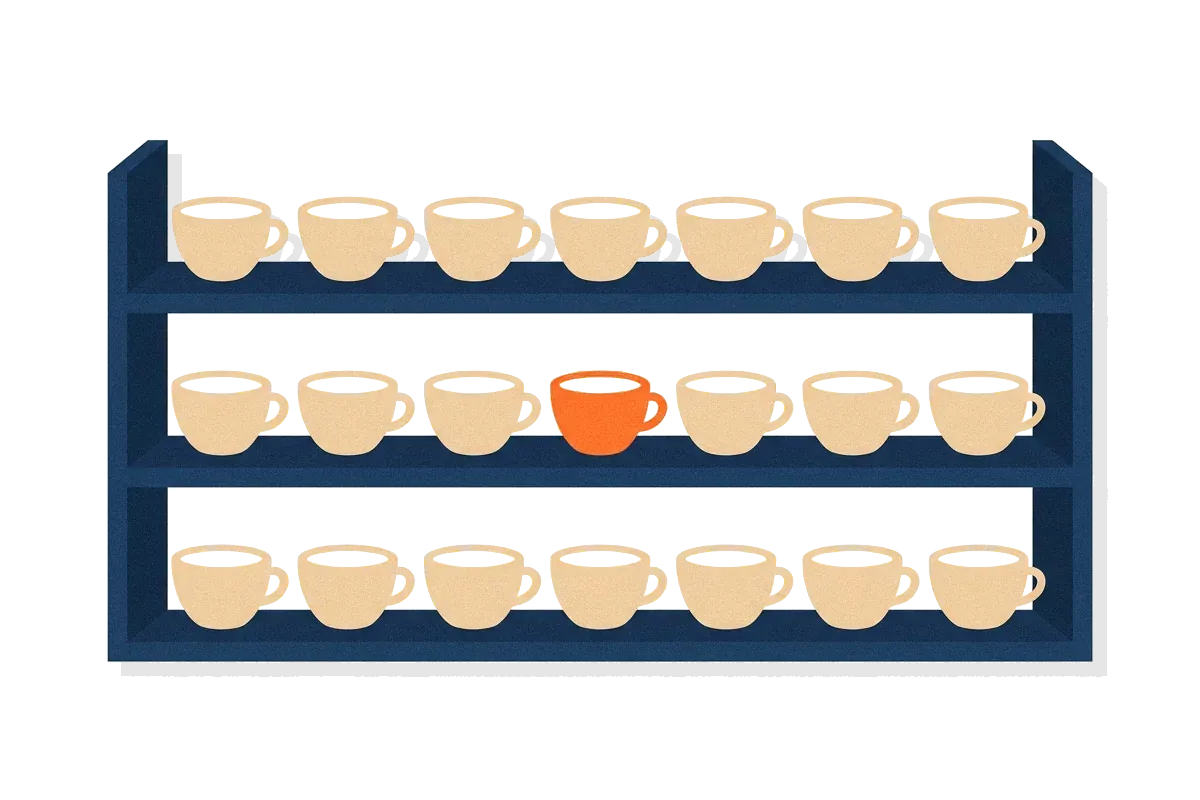
Preattentive Attributes

Figure-Ground

Closure
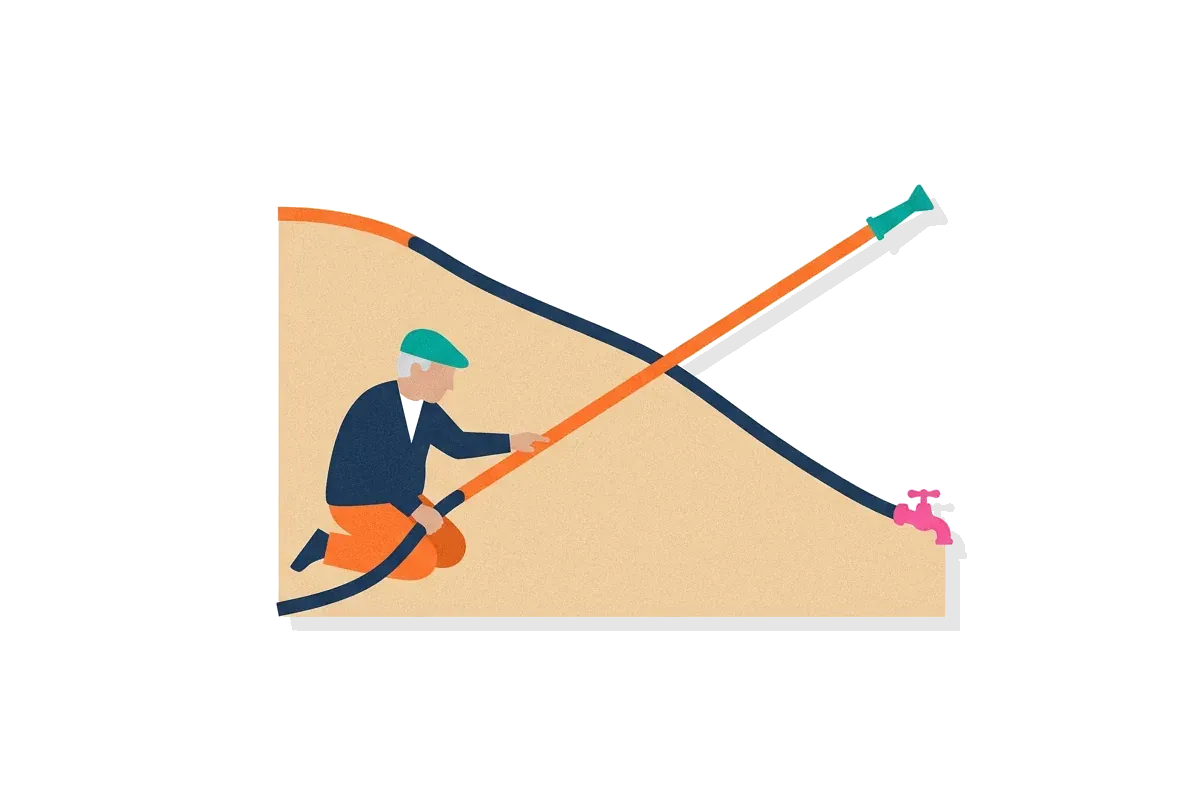
Continuity

Proximity
Meaningful Friction
Affordance Blindness
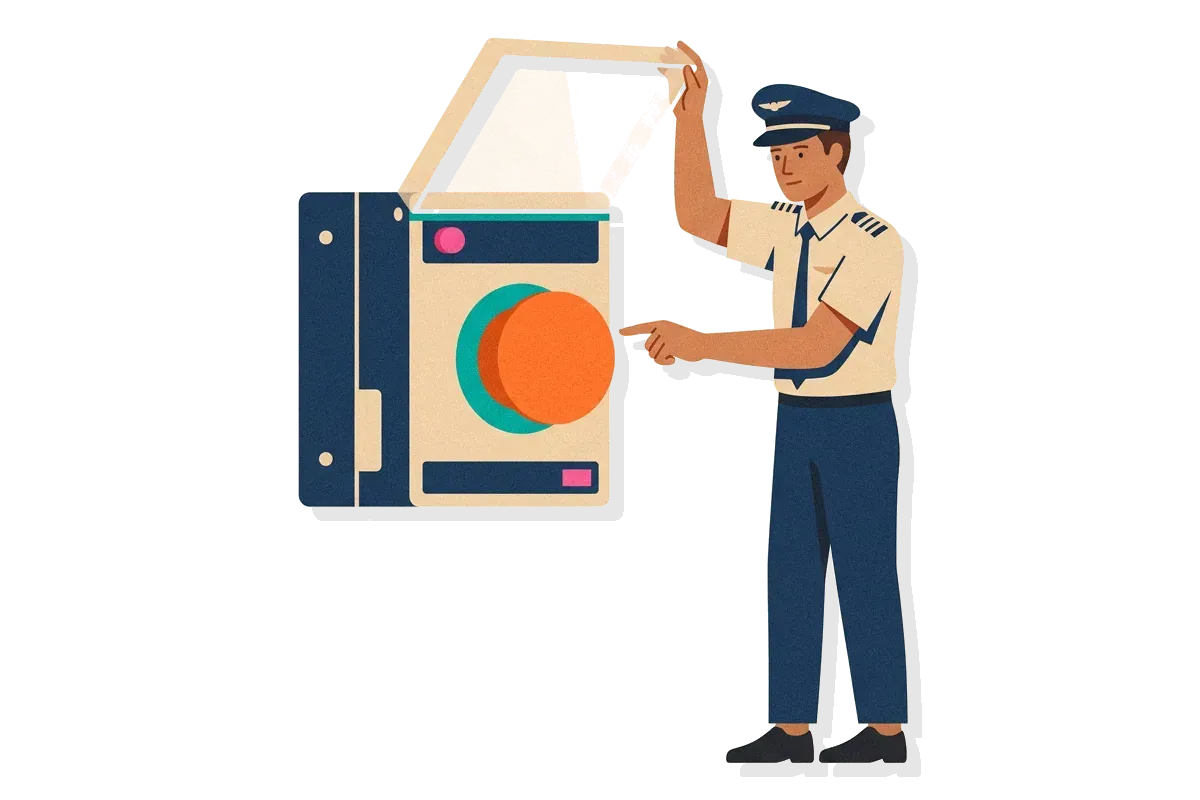
Failing to notice an action that works, because nothing visible shows that it is there.

Visual Noise
31Coming soon · not written yet
Coming soon
Ideation
Coming soon
Personalization
Coming soon
Member Experience
Coming soon
Thumb Zone
Coming soon
Dark Mode
Coming soon
Empty States
Coming soon
Criterion of Justice
Coming soon
Salience
Coming soon
Aesthetic and Minimalist Design
Coming soon
System and Real World Alignment
Coming soon
Design Sprint
Coming soon
Divergent Thinking
Coming soon
User Experience Design
Coming soon
Libertarian Paternalism
Coming soon
Heuristics
Coming soon
Automation Bias
Coming soon
Word clouds
Coming soon
Value opportunity analysis
Coming soon
Task analysis
Coming soon
Stakeholder interviews
Coming soon
Research through design
Coming soon
Photo studies
Coming soon
Fly on the wall observation
Coming soon
Design ethnography
Coming soon
Card sorting (open and closed)
Coming soon
AEIOU
Coming soon
External Trigger
Coming soon
Status Signals
Coming soon
Call to Action
Coming soon
Index of Difficulty
Coming soon
Friction